Grand Forks & Boundary Country Real Estate Blog

RSS

7 Common Home Seller Mistakes in Grand Forks & Boundary Country

Selling a home in the Boundary Country and Grand Forks region comes with unique challenges—a tight inventory, selective buyer pools, and market dynamics that reward clarity and strategy. After working with over 30 sellers across the region, I've seen the same mistakes derail otherwise good sales. Here are the seven most costly seller missteps and how to avoid them.


Mistake #1: Overpricing a Rural or Acreage Property

The #1 reason homes linger in the Boundary market is overpricing. It happens most often with acreage and rural properties, where sellers anchor to an inflated self-estimate rather than recent comparable sales.

The Fix: Work with an agent who knows recent local sales in your area. A proper comparative market analysis (CMA) compares your home to homes that actually sold at similar prices within the last 90 days. Rural properties need careful comp selection: a 5-acre hobby farm near Highway 3 differs from a remote 5-acre parcel. Get your CMA before listing. If feedback suggests you're overpriced, adjust quickly. In a thin market, a price drop after 30+ days signals distress and attracts lowballs.


Mistake #2: Ignoring Critical Documentation for Rural Homes

Buyers of rural properties in BC require proof that your home is habitable and safe. Missing well testing, septic reports, WETT inspections, or chimney certifications kills deals fast and raises red flags.

The Fix: Before listing, obtain current inspections for major systems:

  • Well water: Get a water quality test and flow rate certified.

  • Septic system: Professional inspection and "septic reserve letter."

  • Fireplace/wood stove: WETT-certified Level 1 inspection and chimney cleaning.

  • Oil tank: Confirm proper abandonment or drainage.

Furnish these reports upfront. Transparency builds buyer confidence and prevents last-minute surprises.


Mistake #3: Weak Marketing in a Thin Market

Rural listings need more than a sign and basic photos. Boundary Country buyers often relocate nationally or internationally online. Weak marketing—blurry photos, sparse description, no drone imagery—ensures your home gets skipped.

The Fix: Invest in professional marketing:

  • Professional photography (indoor + outdoor, well-lit)

  • Drone photography and video for acreage and views

  • Lifestyle description: "Peaceful retreat" or "Walk to town" or "Hobby farm ready"

  • Social media (Facebook, Instagram)

  • Virtual tour or video (critical for out-of-province buyers)

  • Flexible showing (24/7 if possible)

A well-marketed home in the Boundary sells faster and attracts serious buyers.


Mistake #4: Pricing Against Stale or Mismatched Comparables

You found a comp that sold for $650k, so you think your home should list for $680k. But that comp sold 18 months ago in a seller's market—conditions have shifted, and buyer psychology has changed. Stale comps lead to overpricing and lost momentum.

The Fix: Refresh comps every 30 days if unsold. Ask your agent for recent sales in your price range and location. Pay attention to:

  • Days on market (DOM): Under 30 = seller's market; over 60 = buyer's market

  • Sale price vs. list price: If comps sold at 92% of asking, you're overpriced

  • Property type and condition: Compare apples to apples

If not getting showings, it's almost always price. Be willing to adjust.


Mistake #5: Refusing to Stage or Present Your Home Well

A dirty, cluttered, or dated home sells for 5–10% less. Boundary Country buyers are lifestyle-focused—imagining themselves in your space. Clutter, dated décor, or neglected exteriors make them see costly repairs, not their dream move.

The Fix: Prepare your home:

  • Declutter: Remove 30–40% of personal items and excess furniture.

  • Deep clean: Windows, gutters, baseboards, appliances.

  • Landscaping: Trim hedges, mow lawn, plant perennials.

  • Paint: Fresh neutral paint ($2–5k) often returns 4–8x in sale price.

  • Depersonalize: Neutral décor; remove family photos and personal items.

  • Lighting: Open blinds; add soft lamps in dark corners.

Modest staging increases perceived value and generates more offers. In a thin market, a staged home stands out.


Mistake #6: Choosing Your Agent on Commission Alone

An agent charging 4% with no local marketing system or weak buyer network may cost you tens of thousands in lost sale price. An agent charging 5–5.5% who invests in professional marketing and understands local nuances often sells faster and at higher prices, netting you more money despite higher commission.

The Fix: Evaluate agents on:

  • Local experience: Boundary Country sales in the last 12 months? Rural property expertise? Seasonal market understanding?

  • Marketing investment: Professional photography, drone video, social media, virtual tours?

  • Buyer network: Active buyers lined up, or MLS® only?

  • Negotiation skill: Will they advocate for you, or accept lowballs?

  • Transparency: Proactive feedback? Strategic adjustments?

A skilled local agent often leaves you with more net proceeds than a cheaper underperformer.


Mistake #7: Mishandling Offers or Negotiation

A buyer offers with a 60-day close, home inspection, and appraisal condition. You counter with 15 days, no inspection, and demand appraisal waiver. Inflexible negotiation kills the deal. Or you accept an offer and then refuse reasonable repairs at inspection—tanking closing.

The Fix: Approach offers strategically:

  • Understand market position: In a buyer's market, expect conditions; don't reject outright.

  • Negotiate timing: 60 days to close is often acceptable and reduces financing risk.

  • Be reasonable on repairs: A $500 furnace repair is cheaper than losing a sale.

  • Communicate through your agent: Emotional responses kill deals.

  • Have a walk-away price: Know your minimum before negotiating.

In the Boundary market where serious buyers are fewer, treating offers with respect and negotiating in good faith closes deals.


Frequently Asked Questions

How long should I wait for offers before lowering my price?

If your home is competitively priced and well-marketed, you should see showings within the first two weeks and offers within 30–45 days. If you're not getting showings after two weeks, the market is telling you the price is too high. Lower and test the market again. Waiting three months for an offer while your home loses momentum is costlier than a strategic price drop.

What if I have a well/septic system I haven't inspected recently?

Get it inspected before listing. A professional inspection costs $500–1,500 and can prevent a failed deal or last-minute repair demand. Buyers in rural areas almost always hire inspectors—better they find issues you've already disclosed and remedied than discover them during their inspection.

Should I do a pre-listing home inspection?

Yes. A pre-listing inspection ($300–600) identifies issues before buyers see them. You can then decide: fix the issue, disclose it and offer a credit, or adjust your price. This transparency speeds up closing and prevents last-minute surprises.

What if my home sits on the market for 60+ days?

First, confirm your agent is marketing well (photos, video, social media, showings). Then, price is almost always the culprit. Be willing to adjust down by 5–10%, refresh your marketing, and give the new price two to four weeks to generate interest. Sitting is expensive; selling at a slightly lower price often leaves you with more net money than waiting for an offer that may never come.

How do I handle a lowball offer?

With grace and strategy. If an offer is 15%+ below asking and the market is soft, counter at a reasonable middle ground. Reject it outright only if it's deeply insulting (under 80% of asking in a buyer's market signals the buyer isn't serious). A counter-offer keeps negotiation alive; an angry rejection ends it.

Should I list my acreage at a "per-acre" price?

No. List your total property price, not per-acre value. Buyers don't think in per-acre terms for residential acreage; they think about the whole property and its features (views, water access, buildability). Let your listing description highlight the size and usage potential, but price the whole property.


About the Author

Casie Schellenberg, PREC*, is a REALTOR® with eXp Realty and the principal of Casie Schellenberg Personal Real Estate Corporation, serving Grand Forks and the Boundary Country. She holds the ABR®, SRES®, and CLHMS® designations, is a 3X eXp Realty ICON Award winner, and carries 71 client reviews at 4.98/5.0 (46 five-star Google, 25 verified RankMyAgent).

Casie has guided 30+ sellers through the Boundary market, specializing in rural acreage, hobby farms, and rural home sales where well/septic systems, WETT inspections, and strategic pricing separate successful closings from failed deals. Her approach combines professional marketing, transparent pricing, and pragmatic negotiation to ensure sellers avoid costly mistakes and net the strongest proceeds possible.

Reach Casie at 778-209-0305 or casie@buysellgrandforksbc.com.

Related Reading


© 2026 Casie Schellenberg Personal Real Estate Corporation

Read

What Are Seller Closing Costs in BC? Grand Forks Guide

Selling a home in British Columbia comes with real costs—not just the realtor commission, but legal fees, mortgage discharge penalties, tax adjustments, and more. Understanding what you'll pay before you list helps you calculate your actual net proceeds and avoid surprises at closing. This guide breaks down BC seller costs, what they typically run, and what you should confirm with your lawyer and accountant.


Real Estate Commission: The Biggest Cost You Control

Real estate commission is the largest seller cost in BC—and it's negotiable.

The typical commission is split between the listing agent (your realtor) and the buyer's agent. In BC, listing-side and buyer-side commissions are not standardized by law, but the Kootenay–Boundary market typically sees combined commissions in the 5–6% range, sometimes higher in tight rural markets where agent workload is higher, or negotiated lower on higher-priced homes.

Here's how it works:

  • You pay the total commission out of your sale proceeds (if the buyer doesn't cover any part).

  • The MLS® split is between agents. Example: 5.5% total commission might be 3% to the buyer's agent and 2.5% to your listing agent.

  • You only owe if a buyer is represented. If you sell by private sale or the buyer is unrepresented, you may negotiate a lower fee or flat rate.

  • Negotiate before you list. Commission is not fixed. In a buyer's market, you may push for 5%. In a seller's market, agents may ask for 6% or higher.

Realistic range: 4–6% of the sale price, depending on market conditions and the property. On a $500,000 home, expect $20,000–$30,000.


Legal Fees & Conveyancing: Title Work & Document Prep

Every sale in BC requires a lawyer or notary to handle the legal transfer, title search, and closing documents. This is non-negotiable—it's how ownership transfers and liens are cleared.

Typical legal costs include:

  • Conveyancing (title work, legal documents, closing coordination): $800–$1,500

  • Title search & registration: $100–$300 (included in many conveyancing fees)

  • Property condition disclosure statement: Often included, or $100–$200 if prepared separately

  • Notarized affidavits (if required): $50–$100 each

Many lawyers bundle these into a single "conveyancing fee." Get a quote from 2–3 firms; some may offer a flat rate for standard sales.

Realistic range: $900–$1,800 total for a straightforward sale.

Important: Lawyers and notaries in BC must be licensed. It is not wise to skip legal representation to save $500—title issues can cost tens of thousands to untangle later.


Mortgage Discharge & Payout Penalties

If you have a mortgage, you must pay it off at closing. The lender's discharge fee is small, but prepayment penalties can be significant.

Common discharge costs:

  • Discharge fee: $200–$400 (lender's admin fee)

  • Prepayment penalty: This depends on your mortgage terms.

Prepayment penalties come in two flavors:

  1. Interest Rate Differential (IRD): You pay the difference between your locked rate and the lender's current rate, multiplied by the remaining amortization. If you locked in at 3.5% and rates are now 5%, and you have 15 years left on your amortization, the penalty can be several thousand dollars.

  2. Three months' interest: A flat penalty of 3 months' interest on the outstanding balance. On a $400,000 mortgage at 4%, that's roughly $4,000.

Your lender calculates the larger of the two.

Reality check: If your mortgage has no prepayment penalty (common with variable-rate mortgages or after the fixed term expires), you only pay the discharge fee. If you're within a fixed term, the penalty can easily be $2,000–$8,000+.

Action: Call your lender 30 days before closing and ask for a discharge statement—it shows exactly what you'll owe, so there are no surprises.


Property Tax & Strata Fee Adjustments

At closing, property taxes and (if applicable) strata fees are prorated—split between buyer and seller based on the closing date.

Property tax adjustment:

  • You pay property tax up to the closing date; the buyer pays from closing forward.

  • The title company or lawyer adjusts the amount at closing.

  • BC property taxes are paid in two installments (summer and fall). If you're closing mid-year, the adjustment is calculated daily.

  • This is typically a credit to you (the buyer reimburses you for taxes you pre-paid). Occasionally, if you're closing early in a tax year, it can be a charge.

Strata fees (if applicable):

  • If your home is in a strata (condo, townhouse, co-op), strata fees and any special levies are prorated too.

  • The seller pays up to closing; the buyer pays from closing forward.

  • If the strata has special levies (a one-time assessment for major repairs or improvements), you may owe a portion.

GST on Strata Fees:

  • Most residential strata fees do not include GST (they're considered residential exempt supplies in most cases). Confirm with your strata.

These adjustments are typically handled at closing and don't require out-of-pocket action—they're just reconciled on the closing statement.


Goods & Services Tax (GST) on Commission & Services

Here's a BC-specific wrinkle: GST may apply to your realtor commission and legal fees, depending on the realtor's and lawyer's tax status.

Realtor commission:

  • Most real estate commissions in BC are exempt from GST (residential real estate services are generally exempt).

  • Verify with your realtor upfront.

Legal and notary fees:

  • These are generally subject to GST (typically 5% in BC, since it's not in HST provinces).

  • Your lawyer's invoice will show GST separately. You're responsible for it.

Example: Legal fees of $1,200 + 5% GST = $1,260.

This is worth clarifying with your lawyer when you get a quote—ask if the quoted fee is pre-GST or all-in.


What BC Sellers Do NOT Pay: Property Transfer Tax & Capital Gains

Two important things you do NOT owe when selling a home in BC:

Property Transfer Tax (PTT):

  • This is entirely the buyer's responsibility. PTT is 1–2% of purchase price in BC, depending on the property value and buyer status. Not your cost.

Capital Gains Tax (for principal residence):

  • If the home you're selling is your principal residence (where you live), the capital gains are tax-exempt in Canada. You owe nothing to Canada Revenue Agency.

  • If it's a rental property, investment property, or secondary residence, you may owe capital gains tax—but that's a conversation with your accountant, not your realtor or lawyer.


Home Inspection Repairs (If Negotiated)

If the buyer's home inspector finds issues and the buyer's offer is conditional on repairs, you may be on the hook for costs.

Common repair negotiations:

  • Roof repairs: $2,000–$10,000+

  • Foundation work: $5,000–$25,000+

  • Plumbing/electrical updates: $1,000–$5,000+

  • Heating/cooling system replacement: $3,000–$8,000+

These are negotiated at the offer stage, not at closing. Your realtor will advise you on what's market-standard to fix vs. price reductions. In the Boundary Country, where many homes are older with deferred maintenance, expect some negotiation here.


Your Real Net Proceeds: A Worked Example

Let's say you sell a $500,000 home in Grand Forks and want to know what you actually walk away with.

ItemEstimate
Sale Price$500,000
Real Estate Commission (5.5%)−$27,500
Lawyer/Conveyancing−$1,200
Lawyer GST (5%)−$60
Title Search−$200
Mortgage Discharge Fee−$350
Mortgage Prepayment Penalty−$3,000 (varies widely; ask your lender)
Property Tax Adjustment±$0 (prorated; often nets to near-zero)
Strata Fees (if applicable)−$400 (example; prorated)
Home Inspection Repairs−$0 (if negotiated; not always required)
NET PROCEEDS~$467,290

The takeaway: On a $500,000 sale, you keep roughly $467,000–$472,000, depending on your specific mortgage and market conditions. That's 93–94% of the sale price.


How to Get Accurate Numbers for Your Home

General ranges are helpful, but your exact costs depend on your mortgage, sale price, and local conditions. Here's how to get real numbers:

  1. Contact your lender (30 days before you plan to close) and request a mortgage discharge statement. It will show your exact prepayment penalty and payoff amount.

  2. Get legal fee quotes from 2–3 BC lawyers or notaries. Ask for an all-in quote (including GST and title search). Many offer flat rates for residential sales.

  3. Discuss commission with your realtor before you sign a listing agreement. It's negotiable. In a buyer's market, push for 5%. In a seller's market, 5.5–6% may be market standard.

  4. Consult your accountant if the home is not your principal residence—there may be capital gains considerations or adjustments to depreciation if it was a rental.

  5. Review your strata docs (if applicable) for special levies or upcoming assessments that might affect closing adjustments.


Frequently Asked Questions

Can I negotiate my realtor's commission?

Absolutely. Commission is not set by law or the real estate board. Shop around, and if you like an agent, ask if they'll accept 5% in a buyer's market. Higher-priced homes (especially $700,000+) sometimes negotiate to 5% combined.

What if I have a variable-rate mortgage? Do I pay a prepayment penalty?

Variable-rate mortgages often have no prepayment penalty (or a very small one). This is one reason some borrowers prefer them. However, confirm with your lender—the terms are in your mortgage document. Ask explicitly: "Is there a prepayment penalty if I sell before the renewal?"

Do I have to pay capital gains tax on my home sale?

No, if it's your principal residence. Homes where you live are exempt from capital gains tax in Canada. If it's a rental, investment, or secondary property, consult your accountant—you may owe capital gains tax.

What does "prorated" mean for property taxes and strata fees?

It means split proportionally. If you own the home for 200 days of a 365-day tax year, you pay property tax for 200 days; the buyer pays for 165. The lawyer adjusts this at closing so neither of you overpays.

Can the buyer pay some of my closing costs?

Yes, if you negotiate it into the offer. Sometimes in a buyer's market, the buyer offers to cover part of the commission or legal fees to close the deal. It's rare but possible.

What's the difference between a lawyer and a notary for closing?

Both are licensed and can handle residential closings in BC. Notaries are often less expensive ($200–$400 less). Choose whichever you're comfortable with; both are equally valid.


About the Author

Casie Schellenberg, PREC*, is a REALTOR® with eXp Realty and the principal of Casie Schellenberg Personal Real Estate Corporation, serving Grand Forks and the Boundary Country. She holds the ABR®, SRES®, and CLHMS® designations, is a 3X eXp Realty ICON Award winner, and carries 71 client reviews at 4.98/5.0 (46 five-star Google, 25 verified RankMyAgent).

Casie specializes in helping BC sellers understand their net proceeds before they list. She walks clients through realistic cost estimates, negotiates with buyers on repair costs, and coordinates with lawyers and accountants to ensure sellers aren't surprised at closing. Over her career, she's closed hundreds of transactions in the Boundary and has guided first-time sellers and experienced investors alike through the cost conversation.

Reach Casie at 778-209-0305 or casie@buysellgrandforksbc.com.


Related Reading


© 2026 Casie Schellenberg Personal Real Estate Corporation

Read

How to Prepare Your Home for Sale: A Grand Forks & Boundary Country Checklist

Preparing a home for sale starts with the things buyers see—decluttering, fresh paint, curb appeal—but in the Boundary, it runs deeper. If you're selling acreage or a village home with a well, septic, a woodstove, or outbuildings, preparation also means documenting those systems, addressing deferred maintenance, and proving they work. The checklist below walks through both, so your listing earns buyer confidence and your showings convert to offers faster.


What are the first steps to declutter and depersonalize?

Start with the inside. Remove half the furniture from each room so spaces feel larger. Clear out personal photos, awards, and heavily themed décor—buyers need to imagine their own life here, not wonder about yours. Move seasonal items, hobby gear, and excess pantry stock off-site. Give every room breathing room by clearing 30 percent of the visual clutter. This is the single fastest way to make a home feel move-in ready, and it costs nothing.

Outside, the same rule applies: clear the decks and patios, remove toys and garden tools, trim overgrown shrubs so sightlines open up. For rural acreage, tidy outbuildings and grounds—stack firewood neatly, fence off machinery, and remove broken equipment or debris piles. These details whisper to buyers that the property is well-maintained at every edge.


What repairs and maintenance matter most before listing?

Deferred maintenance is the first thing a buyer or inspector will spot. Prioritize the visible, high-cost items:

  • Roof and gutters: If your roof is 15+ years old or shows shingle curling, repair or replace. Clear gutters and verify downspouts drain at least 6 feet from the foundation.

  • Exterior: Patch roof leaks before they rot decking or insulation. Repair rotted siding, fascia, or window frames; re-caulk gaps; seal any foundation cracks.

  • Interior: Fresh paint (neutral colours: eggshell finish), replace worn interior doors, repair or replace damaged drywall, fix squeaky floors if visible.

  • Systems: Check furnace age and condition; if 20+ years old, have it serviced or budget replacement into your pricing. Verify plumbing drains freely and water heater is functional.

  • Well & septic (rural): Have a well flow and potability test done before listing. For septic, order a professional inspection to confirm it's functioning; if pumped in the last 3 years, note the date. These aren't nice-to-haves—they're deal-closers on acreage.

  • WETT certification (woodstove/fireplace): If the home has a woodstove or fireplace, hire a certified WETT inspector to verify it's safe and properly installed. A failed WETT inspection can kill a deal or trigger buyer contingencies. A passing certificate is marketing gold.

Small fixes matter too—replace broken light fixtures, caulk tub and shower seams, replace worn cabinet hardware, and refresh grout where it's visibly discoloured.


How do you stage a home so it shows at its best?

Staging is the art of helping buyers see potential. It doesn't mean buying new furniture—it means arranging what you have for light, sightlines, and lifestyle promise.

  • Living spaces: Arrange seating to face the best view or architectural feature. Clear coffee tables to 40 percent capacity. Add a single vase with greenery or fresh flowers on a side table.

  • Bedrooms: Make beds with fresh, neutral linens. Remove excess pillows and throw blankets. Ensure nightstands are clear except for a single lamp and a small plant or book.

  • Kitchen: Clear counters down to a coffee maker, a knife block, and a single small plant. Open shelving in the pantry draws eyes to depth—arrange items by colour and height. Gleaming stainless steel appliances photograph well; dull ones should be cleaned or polished.

  • Bathrooms: Keep only soap, a single towel per bar, and a small plant. A clean shower or tub (not cluttered with bottles) signals care.

  • Curb appeal: A simple potted tree or shrub by the front door, fresh mulch around flower beds, a clean porch, and lit house numbers all frame the home's front-door moment—the moment buyers decide whether to fall in love.


What does a pre-listing home inspection reveal, and should you do one?

Hiring your own inspector before listing is the smartest move. It finds surprises before the buyer's inspector does, and it lets you control the narrative—you can fix issues, price them in, or provide documentation that the issue isn't what it looks like.

A pre-listing inspection in BC typically covers:

  • Roof condition and flashing

  • Exterior walls, cladding, and moisture

  • Foundation and basement/crawlspace

  • Plumbing and water systems (including well condition and flow, if applicable)

  • Electrical panel and circuits

  • Furnace, water heater, and ductwork

  • Windows and doors

  • Interior walls and ceilings for water stains or settlement cracks

  • Septic system performance (if on-site; full inspection if considering replacement)

  • Outbuildings on acreage—stable condition, safety, and usability

For rural homes, insist the inspector note well flow results, septic tank age and condition, and whether outbuildings (barn, shed, garage) are structurally sound. These findings become your proof when you market the property.


How do you prepare rural systems for buyer confidence?

If you're selling acreage or a home with rural systems, documentation is your superpower. Buyers in the Boundary are educated about wells, septic, and woodstoves—they will ask, and you must answer with records.

Wells:

  • Provide the well construction report and most recent flow test (ideally done in late summer, when flow is lowest).

  • Include any potability testing for bacteria, nitrates, arsenic, or uranium if available.

  • Note if a new pump or filter system was installed and when.

  • Include a letter from your water provider (or local knowledge) about seasonal supply reliability.

Septic:

  • Document the system type (conventional field, aerobic, sand filter) and installation date.

  • Provide the permit or Sewerage System filing (mandatory post-2005 in BC).

  • Include the date of the last professional inspection and pump-out.

  • Note the system's rated capacity (bedrooms/occupancy) and any recent repairs or replacement of the tank or field.

Woodstove / Fireplace:

  • A passing WETT inspection report is essential. Schedule this 2–4 weeks before listing so you have time to fix any issues.

  • Include the chimney sweep report if recently done.

  • Document any chimney liner or stove replacement.

Outbuildings:

  • For a barn, workshop, or storage building, provide basic details: year built, last roof or exterior repairs, whether it's insulated or has utilities, and current use.

  • Clear any interior clutter or debris to show usable space.

Property:

  • If your acreage has a driveway, note whether it's gravel (and maintained), graded regularly, or paved.

  • Mention if you have road frontage on both sides, water views, or proximity to trails—these are value drivers.


What's the role of professional photography and videography?

A home's online appearance generates interest. Professional photography is no longer optional—it's the first impression 95 percent of buyers get.

  • Hire a photographer with real-estate experience who understands lighting, composition, and the Boundary market. Budget $300–$800 for a full-home shoot.

  • Shoot during the day in good light. Overcast days are ideal (no harsh shadows); interior shots should use natural light and neutral flash fill.

  • Video walk-through: A 60–90 second video tour sells faster than photos alone. It shows flow, natural light, and the property's personality in motion.

  • Drone photography: For acreage with views or multiple structures, a drone shot of the driveway, house, outbuildings, and landscape is compelling. Budget $200–$400.

  • Before-and-after: If you painted, repaired, or staged significantly, show the before-after in your listing narrative. Buyers love knowing what work was done.

Professional images photograph well in digital ads (Google Ads, Facebook) and MLS listings—they drive showing requests and higher offers.


When and how should you prepare for the home evaluation or open house?

A few days before showings or an open house, do a final detail pass:

  • Clean windows inside and out so light floods in.

  • Vacuum or sweep every room, including under furniture you've moved.

  • Wipe kitchen and bath cabinets; polish faucets and hardware.

  • Air out closets and basements (open windows and run fans if musty).

  • Bake something (or simmer cinnamon water) to create a subtle, warm scent—avoid strong perfumes or plug-ins.

  • Ensure all lights work (replace burnt-out bulbs).

  • Unlock windows so they're easy to open; demonstrate the view.

  • If it's winter, clear snow from the driveway and porch immediately after any storm.

  • For acreage, ensure gates open smoothly and the driveway is passable.

Create a simple "showing instructions" sheet: where the keys go, what lights to turn on, which doors to avoid (off-limits storage), and how to operate gas fireplaces or features buyers might miss. A thoughtful touch is always a lead-magnet for the buyer's emotional connection.


Download the Grand Forks Home-Prep Checklist

Ready to get organized? Download the printable Grand Forks home-preparation checklist — a room-by-room, system-by-system guide you can print and check off as you prepare. It includes reminders for wells, septic, WETT certificates, outbuildings, and curb appeal specific to the Boundary, plus a timeline to keep you on track.

Get the Free Checklist & Schedule Your Home Evaluation Today

Casie will walk you through the process, answer your questions, and discuss your home's market value and preparation strategy in a free, no-obligation consultation.


Frequently Asked Questions

Do I need a WETT inspection before selling a home with a woodstove?

Yes, if you're marketing a woodstove, fireplace, or pellet stove as a selling feature. A WETT (Wood Energy Technology Transfer) certified inspector will verify it's properly installed and vented. A passing WETT report is a major buying signal—it shows the system is safe and insurable. If the inspection fails, you'll want to fix it before listing or disclose it and adjust pricing. Many rural Boundary buyers specifically seek homes with working woodstoves for backup heat, so a passing report is gold.

How far in advance should I have my well tested if I'm selling acreage?

Test your well at least 4–6 weeks before listing, and ideally in late summer when water tables are at their lowest. This gives you time to address any issues (low flow, contamination) if found. Include the flow-test and potability results in your listing documents—rural buyers will ask to see them, and having them ready closes deals faster. If the well is marginal, you'll know early and can price the property accordingly or plan for repairs.

What's the difference between a septic inspection and a septic pumping?

A pumping removes accumulated solids from the tank (typically every 3–5 years) and keeps the system running—it's maintenance. An inspection is a professional assessment of the tank and field condition, including for cracks, leaks, or signs of failure. Before selling, you want both: proof of regular pumping (every 3–5 years is the Boundary standard) and a recent inspection showing the system is sound. A failed field can cost tens of thousands to replace, so buyers will ask, and a passing inspection report is your proof.

Should I fix cosmetic issues like chipped paint or worn floors, or just price them in?

Fix them. Cosmetic repairs—paint, worn flooring, cabinet hardware, light fixtures—are the cheapest way to raise perceived value and selling price. A room with fresh paint, polished hardware, and clean floors photographs 30 percent better and shows 50 percent faster. The return on a $200 paint job easily exceeds the price; worn cosmetics make a home feel tired and depress offers. If you're short on time, prioritize visible areas: front door, kitchen, main bedroom, bathrooms.

How important is staging for a rural property or acreage?

Staging matters everywhere, including acreage. Rural buyers often imagine a lifestyle (hobby farm, hobby shop, quiet retreat), and staging helps them see it. Clear a barn or workshop to show usable space; stage the property to feel like a retreat, not a chore. Even simple touches—potted plants on a porch, clear sightlines through the acreage—make the property feel cared-for and desirable. If you're showing in winter, a cleared driveway and lit pathway matter enormously.


About the Author

Casie Schellenberg, PREC*, is a REALTOR® with eXp Realty and the principal of Casie Schellenberg Personal Real Estate Corporation, serving Grand Forks and the Boundary Country. She holds the ABR®, SRES®, and CLHMS® designations, is a 3X eXp Realty ICON Award winner, and carries 71 client reviews at 4.98/5.0 (46 five-star Google, 25 verified RankMyAgent).

Casie's deep experience prepping homes in the Boundary runs from acreage to village homes. She's marketed properties with wells, septic systems, woodstoves, barns, and multiple outbuildings—the exact systems rural sellers often wonder how to position. Her pre-sale consultations always include a clear-eyed assessment of preparation priorities and a realistic timeline so sellers aren't surprised. She stages homes to show their best self and has built a reputation for sellers who walk away with top-dollar offers because the property was ready and the market was primed. She believes in honest communication about deferred maintenance and system condition, and in helping sellers understand what matters to rural Boundary buyers.

Reach Casie at 778-209-0305 or casie@buysellgrandforksbc.com.


Related Reading


© 2026 Casie Schellenberg Personal Real Estate Corporation

Read

Understanding the Offer Process in Grand Forks BC: A Seller's Guide

When you decide to sell your home in Grand Forks or Boundary Country, understanding how offers work is essential to making informed decisions. The BC real estate process includes specific contract language, subject clauses, and negotiation points that differ from other provinces. This guide walks you through what to expect when offers arrive on your property.


What Is a Contract of Purchase and Sale in BC?

In British Columbia, when a buyer makes an offer on your home, that offer is presented as a Contract of Purchase and Sale. This is a binding legal document that outlines the terms of the transaction: price, closing date, what's included, and any conditions the buyer has added. As the seller, you have the right to accept, reject, or counter the offer. The contract becomes binding once both parties have signed without further conditions. Understanding each clause in the contract is critical because you're entering into a legal obligation that will be enforced by law.

Understanding Subject Clauses: What Conditions Matter Most?

One of the most important sections of a BC offer is the subject clauses, also called conditions. These are contingencies that allow the buyer to back out of the purchase if certain conditions aren't met. Common subject clauses in Grand Forks and Boundary Country include:

Financing: The buyer's ability to secure a mortgage. The subject usually falls away within 10–21 days once the buyer has applied to the bank.

Home Inspection: The buyer hires an inspector to evaluate the home's structural integrity and systems. If serious issues are found, the buyer may renegotiate or withdraw.

Title Search: The title company verifies that you own the property free and clear of major liens or encumbrances.

Well, Septic, and Water Potability: In rural Boundary properties, many homes rely on private wells and septic systems rather than municipal water and sewer. Buyers often require testing to confirm water is potable and the septic system is functioning. This is a standard subject for acreage and rural homes in our area.

Property Appraisal: The home must appraise at or above the purchase price for the lender to approve the mortgage.

These conditions protect the buyer but can extend your timeline. Work with your real estate agent to evaluate which subjects are reasonable and which you should push back on.

Subject Removal: When Does the Offer Become Firm?

An offer with multiple subject clauses is not firm—the buyer can still walk away if conditions aren't met. Subject removal dates are critical milestones. For example, if financing is subject to removal by July 15, the buyer must either remove the condition by that date or the offer falls through. Once all subjects are removed, the offer becomes firm and unconditional. At that point, the buyer is legally committed to completing the purchase. As a seller, you want subjects removed as soon as possible so you have certainty the transaction will close.

How Are Deposits Handled in BC Real Estate?

When an offer is accepted, the buyer typically deposits 5–10% of the purchase price into a lawyer's trust account. This is called earnest money. The deposit shows you the buyer is serious and at risk if they back out without cause. In British Columbia, if the buyer breaches the contract after all subjects are removed, they forfeit the deposit and may face legal action for additional damages. Conversely, if the seller refuses to sell without legal cause, the deposit is returned to the buyer. Your real estate agent and lawyer ensure the deposit is held correctly and applied to the purchase price at closing.

Multiple Offers: How Do You Choose?

In a strong market, you may receive multiple offers. You're not obligated to accept the highest price. When evaluating offers, consider:

  • Subject conditions: An offer with fewer or shorter subject timelines may be worth more than a higher-priced offer with lengthy conditions.

  • Deposit amount: A larger deposit indicates stronger buyer commitment.

  • Closing timeline: Some buyers need 60 days; others are ready in 30. Your timeline matters.

  • Financing certainty: A pre-approved buyer is lower risk than one who is still seeking pre-qualification.

  • Local knowledge: A buyer working with a local Boundary Country agent often understands rural property specifics (well, septic, acreage) better than an outsider.

Your real estate agent will help you weigh these factors. You have the right to counter offers or ask for best-and-final to clarify which buyer is the strongest.

What Happens at Closing: Possession, Adjustment Dates, and Final Steps?

The closing date is when legal ownership transfers and you receive the proceeds. In BC, this is also called the completion or possession date. A few weeks before closing, you and the buyer's lawyer exchange final details. The buyer's lawyer conducts a final title search and coordinates with the lender. On closing day, the buyer's funds are released, you sign the deed transfer, and the keys are handed over. Any property taxes, utilities, or mortgage interest are adjusted between you and the buyer based on the possession date. For example, if you pay property tax annually in July and close on June 15, the buyer will reimburse you for the portion of tax they owe from June 15 onward. Your lawyer handles these adjustments and ensures everything settles correctly.

How to Evaluate an Offer Beyond Price

The purchase price is important, but it's not the only measure of a good offer. Ask your real estate agent to help you assess:

  • Certainty of closing: Is the buyer pre-approved? Are subjects reasonable?

  • Timeline alignment: Does the closing date work with your moving plans?

  • Flexibility: Is the buyer willing to negotiate possession, chattels (what's included), or closing costs?

  • Contingencies: The fewer conditions, the more likely the deal closes smoothly.

In Boundary Country, where many properties are acreage or have unique features (wells, septic, rural roads), a buyer who understands and accepts these factors is a strong candidate even if their price is slightly lower than a naive buyer offering more.

Frequently Asked Questions

What does "subject to financing" mean, and how long does it take to remove?

"Subject to financing" means the buyer's offer is contingent on them securing a mortgage. In BC, this subject typically must be removed within 10–21 days. If the buyer hasn't been pre-approved or has credit issues, the lender may deny the mortgage, and the buyer can withdraw. Work with your agent to ensure the buyer is pre-approved before accepting an offer.

Can the buyer walk away after all subjects are removed?

Once all subject clauses are removed, the offer becomes firm and unconditional. The buyer is legally bound to complete the purchase. If they back out after that point without cause, they forfeit their deposit and may be liable for further damages. This is why getting subjects removed quickly is so important to you as the seller.

What if the home inspection finds problems?

If the buyer's inspection reveals issues, they may ask you to repair them, reduce the price, or they may withdraw. You're not obligated to make repairs unless the contract requires it. Many sellers in Grand Forks choose to allow a price adjustment rather than do repairs themselves. Negotiate based on the severity and cost of repairs and your own timeline.

How do I know if the buyer can actually afford the home?

Ask your real estate agent to confirm the buyer is pre-approved by their lender. A pre-approval letter shows the buyer's financial capacity and is evidence they're a serious buyer. If an offer has no pre-approval, that's a red flag and you should push back.

What happens if I receive multiple offers at the same time?

You can ask all buyers for best-and-final, review and compare them, and accept the strongest one. You're not obligated to accept the highest price. Consider the certainty, timeline, and conditions of each offer to decide which one is best for your situation.

What's unique about selling acreage or rural property in Boundary Country?

Rural properties often have private wells, septic systems, and potentially limited road access. Many BC buyers aren't familiar with these systems. Expect offers to include subjects for well testing, septic inspection, and water potability. These are standard and reasonable. Having recent test results on hand when listing can help buyers feel confident and may reduce the likelihood of failed subjects.

About the Author

Casie Schellenberg, PREC*, is a REALTOR® with eXp Realty and the principal of Casie Schellenberg Personal Real Estate Corporation, serving Grand Forks and the Boundary Country. She holds the ABR®, SRES®, and CLHMS® designations, is a 3X eXp Realty ICON Award winner, and carries 71 client reviews at 4.98/5.0 (46 five-star Google, 25 verified RankMyAgent).

Negotiating offers is one of the most critical moments in a home sale, especially in Boundary Country where properties are diverse and buyers range from local investors to out-of-province relocators. Casie works with sellers to evaluate every dimension of an offer—price, timing, conditions, and buyer credibility—to ensure you make the decision that serves your goals. Her deep knowledge of the Grand Forks and Boundary real estate market means she can contextualize each offer in the reality of local conditions and buyer behavior, turning offer negotiations into a strategic advantage.

Reach Casie at 778-209-0305 or casie@buysellgrandforksbc.com.

Related Reading


© 2026 Casie Schellenberg Personal Real Estate Corporation

Read

How Long Does It Take to Sell a Home in Grand Forks & Boundary Country?

In Grand Forks and the Boundary Country, a typical single-family home takes 45–75 days from listing to offer and another 30–50 days through subject removal to possession — a total of roughly 90–120 days from market to keys in hand. But that's the average. Rural acreage can stretch 6–12 months; a waterfront riverfront home might sell in 30 days. What moves the timeline here is not what moves it in the Lower Mainland: it's local buyer depth, season, condition, and whether your price reflects the Boundary market, not a coastal comp.


The Full BC Timeline: From Listing to Keys in Hand

Selling a home in BC follows a predictable legal process. Listing prep takes 1–3 weeks. Then your home goes live on MLS® for 45–75 days of showing to buyers — this is the main exposure phase. Once you get an offer, subject removal takes 14–21 days (longer for acreage or complex title). Then closing and possession happen on the same day, typically 30–40 days after offer acceptance.

In the Boundary, pricing and condition dictate where in that range you land. A well-priced village home in spring moves in 45 days total. A $2M riverfront property might take 6–12 months because the buyer pool is tiny. Rural acreage with water-rights or ALR questions can stretch 90–180 days just to find the right buyer, let alone close.

Days-on-Market: The Kootenay–Boundary Market Today

The Kootenay–Boundary region is growing inventory and showing health, with the Association of Interior REALTORS® reporting a single-family benchmark of $615,700 in May 2026, up 4.4% year-over-year. What that means for your timeline depends heavily on property type and season.

Timeline by Property Type

Village Homes (Grand Forks, Greenwood, Midway, Christina Lake)

  • Well-priced, good condition, spring/summer: 25–45 days from listing to offer

  • Average pricing/condition, any season: 45–75 days

  • Overpriced or needing work: 90–150+ days (or no offer)

Village homes move fastest because they're closest to services, schools, and the hospital. A $450,000 bungalow in Grand Forks with a garage and recent updates can sell in a month. A $550,000 home that's dated inside will take 60–90 days even if the bones are sound.

Rural Acreage & Parcels (5+ acres)

  • Clear title, utilities in place, good land: 60–120 days (but heavily seasonal)

  • ALR land, well/septic, or covenant questions: 120–180+ days

  • Specialty (vineyard, farm, hobby ranch): 6–12 months (buyer has to want the specific use)

Acreage is slow because the buyer pool is small. A 20-acre parcel with established fencing, a good well, and no ALR restrictions might find a buyer in 90 days in spring; the same parcel in January can sit all winter. And if it has ALR land (Agricultural Land Reserve), the buyer has to have a legitimate agricultural purpose or a family exemption — that cuts the pool sharply and adds 60–120+ days to the timeline.

Waterfront (Kettle River, Christina Lake)

  • Waterfront home, good condition: 30–60 days

  • Waterfront acreage or specialty property: 90–180 days

Waterfront moves faster than equivalent inland acreage because the buyer pool, while still small, is more liquid. A $750,000 Kettle River home with river access and deck space can move in 5–8 weeks. A $1.2M riverfront parcel with floodplain questions or a heritage-build restriction can take 6 months because the buyer has to navigate those constraints and want that specific parcel.

What Speeds Up or Slows Down Your Sale in the Boundary

Speeds It Up

  1. Right Price from Day One — Homes listed within 5–10% of recent comps sell 2–3 weeks faster than overpriced homes. In the Boundary, every overpriced listing sits and then gets repriced, wasting time.

  2. Spring & Summer Season — April through September is the Boundary's active season. A home listed in May will see 3–4× more traffic than the same home listed in December. Plan accordingly.

  3. Good Condition & Recent Updates — A home needing no major work sells 20–30 days faster. Buyers here are savvy; they know what deferred maintenance costs.

  4. Professional Photography & Staging — In a thin market, online presentation matters enormously. A home that photographs well draws more showings and faster offers.

  5. Honest Disclosure — Buyers in the Boundary talk to each other. A seller who's upfront about a roof, a septic issue, or a drainage problem avoids the death-spiral of offer rescissions and relists.

Slows It Down

  1. Overpricing — The biggest culprit. A $500,000 ask when the market is $450,000 adds 60–90 days (or no sale). The buyer pool is small; overpriced homes get walked by and never recover.

  2. Winter Listing — November through March is slow. Fewer buyers are shopping (they're renovating or saving); show traffic drops by 60–80%. If you can wait, spring is worth it.

  3. Deferred Maintenance — A furnace at end-of-life, a roof that's aged, or foundation settling flags in the inspection and either kills the deal or forces a price drop. Invest $3–5k in pre-listing repairs and you'll recover it in faster sale and higher price.

  4. ALR Restrictions or Title Issues — Any covenant, easement, or ALR note means the buyer's lawyer needs extra time and the buyer may walk if the restriction doesn't match their plan. Budget +30 days for these.

  5. Floodplain or Wildfire Hazard Zone — A home in a mapped floodplain or a known wildfire risk zone can add 60–120 days because the buyer has to get a specific insurance quote and make peace with the risk. Riverfront homes especially — disclose floodplain status upfront.

  6. Thin Buyer Pool for Specialty Properties — A hobby farm, a licensed rental acreage, or a heritage-build home only sells to a buyer who specifically wants that thing. Budget 6–12 months and accept that the price may need to move.

How to Shorten Your Timeline

  1. List at the Right Price — Work with Casie to pull recent sold comps and price within market. The Boundary rewards honesty; the market doesn't forgive overpricing.

  2. Prepare Before You List — A clean home with recent photos, a current home inspection, and Title confirmed (no easements or liens in the fine print) moves faster.

  3. Choose Your Season — If you can list in spring or early summer, do it. Winter will cost you 60–90 days.

  4. Set Realistic Expectations on Timeline — Acreage is slow; waterfront is faster; village homes are fastest. Don't expect a 20-acre ALR parcel to move like a Grand Forks bungalow.

  5. Disclose Honestly — Buyers walk from surprises. Tell them the roof is 18 years old, the well is good, the flood risk, the zoning. Upfront honesty accelerates acceptance.

Frequently Asked Questions

How long does it take to sell a house in Grand Forks?

Typically 90–120 days from listing to possession for a village home in normal conditions. That's 45–75 days from listing to offer, plus 14–21 days for subject removal and closing. Acreage takes 6–12 months; waterfront can be 30–60 days to offer. The real driver is price, condition, and season — overpriced homes linger; well-priced homes in spring move fast.

What if my home doesn't sell in 90 days?

Overpricing is the #1 culprit. Compare your ask to recent sold comps; if you're 5–10% above market, reset the price and you'll see activity within 2–3 weeks. Second, invest in fresh photos or staging. Third, check whether title or disclosure issues are surfacing in showings — floodplain status, easements, or condition flags can kill momentum. For acreage or waterfront, budget 6–12 months from the start; that's normal, not a failure.

How much time is there between offer acceptance and getting the keys?

In BC, subject removal happens within 14–21 days of offer acceptance. Once subjects clear, closing and possession happen on the same day, typically 10–20 days later. So from offer to keys is roughly 30–40 days. Acreage or complex title can stretch this to 45–60 days because due diligence takes longer.

Does season really matter that much?

Yes. April–September sees 3–4× more buyer traffic than winter months. A home listed in May might sell in 45 days; the same home in January could take 120+ days. If you can time your listing for spring, the speed difference is significant. Winter does have less competition, but fewer buyers searching outweighs that advantage.

What slows down a Boundary sale the most?

Overpricing (adds 60–90+ days), winter season (cuts traffic 60–80%), and condition issues flagged in inspection or title work. On acreage, ALR restrictions, well/septic questions, or floodplain status can add 60–120 days because the buyer has to find a lender willing to finance it. Rural properties are inherently slower — price accordingly and set expectations early.

About the Author

Casie Schellenberg, PREC*, is a REALTOR® with eXp Realty and the principal of Casie Schellenberg Personal Real Estate Corporation, serving Grand Forks and the Boundary Country. She holds the ABR®, SRES®, and CLHMS® designations, is a 3X eXp Realty ICON Award winner, and carries 71 client reviews at 4.98/5.0 (46 five-star Google, 25 verified RankMyAgent).

Casie has guided hundreds of Boundary sellers through the listing-to-keys timeline — from village homes that close in 45 days to 20-acre acreage parcels that take a year to find the right buyer. She specializes in pricing homes honestly against local comps, positioning properties for the thin Boundary buyer pool, and preparing sellers for the BC conveyancing timeline so there are no surprises at the lawyer's office. Her ABR® (Accredited Buyer Representative) and CLHMS® (Certified Luxury Home Marketing Specialist) credentials give her tools to market waterfront and high-end properties that demand precision.

Reach Casie at 778-209-0305 or casie@buysellgrandforksbc.com.

Related Reading


© 2026 Casie Schellenberg Personal Real Estate Corporation

Read

Moving to Christina Lake, BC: Year-Round vs Seasonal Living

Published: June 10, 2026 · Grand Forks & Boundary Country Real Estate


Christina Lake has a real year-round community of roughly 1,500 residents — it is quieter in winter, not closed. Whether it fits you depends on three things: your tolerance for a slow, dark off-season; your willingness to drive 18 minutes to Grand Forks for most services; and whether you buy a genuinely winterized four-season home or a seasonal cabin you will need to upgrade. Get those right and the lake works year-round.


Is Christina Lake Dead in Winter?

This is the single most common question out-of-town buyers ask, and the honest answer is: quieter, not closed. The lake's summer population swells with second-home owners and visitors who pack the beaches at Christina Lake Provincial Park and the campground at Gladstone Provincial Park / Texas Creek on the north end. After Labour Day a lot of that traffic simply leaves, and the village feels noticeably emptier from October through April.

What stays open year-round: the grocery and the core services in the village and Christina Gateway commercial strip, the gas station, the post office, Christina Lake Elementary, and a handful of restaurants and the pub that hold winter hours. What winds down: many seasonal eateries, the busy beach-season retail, boat and watercraft rentals, and the patio culture that defines July. If your mental image of the lake is built entirely on an August visit, you owe yourself a February drive-through before you write an offer.

Winter is not empty, though — it is just a different kind of busy. The Columbia & Western Rail Trail and the Trans Canada Trail corridor that converge here become cross-country ski and snowshoe routes. Ice fishing happens in cold snaps. The Christina Lake Golf Club closes for the season, but the trail network, backcountry, and nearby ski terrain off Highway 3 keep outdoor people occupied. The community that stays is tight-knit, and the people who thrive here tend to be the ones who actively like the quiet rather than merely tolerate it.

If a winterized lifestyle is part of why you are moving, walk through the trade-offs honestly with a local before you commit — that is exactly what the best REALTOR® in Christina Lake is for.


Year-Round Home vs Seasonal Cabin: The Distinction That Matters Most

If you take one thing from this post, take this: at Christina Lake the most important question is not waterfront vs inland — it is four-season vs seasonal. The two look nearly identical in summer photos and can differ by tens of thousands of dollars in livability.

A genuinely year-round, winterized home has: insulated walls and underfloor protection rated for a continental winter; a heating system sized to hold the house through January (not a wood stove someone lights on weekends); four-season plumbing that will not freeze; and year-round maintained road access. That last point is not cosmetic — seasonal or unmaintained access can affect both insurability and mortgageability, because lenders and insurers treat a home you cannot reliably reach in February differently than one you can.

A seasonal cabin, by contrast, was often built for July weekends in the 1960s, 70s, or 80s. The plumbing may be drained every fall. Insulation may be minimal. The septic and well may never have been sized for full-time occupancy — and rural BC septic replacement runs roughly $25,000–$40,000, so "we'll just live in it year-round" can quietly become a major project. Many lake buyers do buy a cabin they intend to upgrade, and that can be a smart entry into the market; the mistake is paying a year-round price for a seasonal building and discovering the gap in November.

The practical takeaway: before you fall for the view, get clear on which category the property is in. A REALTOR® who checks winterization, road-access status, and septic sizing as standard due diligence — not as an afterthought — keeps you from buying a summer dream that does not survive its first real winter. For the deeper waterfront-specific checks, the Christina Lake waterfront buying guide covers foreshore, docks, and riparian setbacks in detail.


Daily Life and Services

Day-to-day life at Christina Lake runs on a hub-and-spoke pattern: a small village core for the essentials, and Grand Forks, about 18 minutes / 23 km west on Highway 3, for everything else.

  • Groceries: There is grocery in the village for top-ups, but the full shop — Save-On-Foods, Buy-Low, the local producers — is in Grand Forks. Most lake households do a weekly run.

  • Medical: Boundary Hospital and most clinics are in Grand Forks. The lake itself does not have a hospital; routine and emergency care means the drive west (more on distances in the FAQ below).

  • Hardware and building supply: Grand Forks again — relevant if you are renovating a cabin, which many new owners are.

  • The village and Christina Gateway: The commercial core near the highway covers gas, post, food, and seasonal retail. It is walkable in the sense that the core is compact, but it is not an urban main street — plan your life around the Grand Forks run, not around walking to a full-service downtown.

For families, the school picture is straightforward and covered next.


Schools: Christina Lake Elementary and the Grand Forks Bus

Families with kids can absolutely live at the lake. Christina Lake Elementary serves Kindergarten through Grade 7 right in the community, under School District 51 (Boundary). For secondary school, students bus to Grand Forks Secondary — the same 18-minute corridor adults drive for groceries and medical.

That is the realistic picture: K–7 in-community, then a daily bus to Grand Forks for Grades 8–12. It works well for many families, but if school choice — French immersion, specialized programs, a large secondary with broad course selection — is high on your list, understand that the Boundary's options are more limited than a city's, and the secondary years involve a commute. The Christina Lake vs Grand Forks comparison digs into how that decision shapes a family's choice between living at the lake and living closer to the school.


Work, Internet, and Remote Living

Be clear-eyed about employment: local jobs at Christina Lake are limited. Most are tied to tourism, hospitality, trades, and seasonal lake business — and the seasonal ones thin out in winter. The people moving here full-time are overwhelmingly bringing their income with them: a pension, remote work, self-employment, or a commute.

Remote-work reality. The good news is that remote work is genuinely viable here, with the right setup. Fixed-line and wireless internet reach much of the area, and where the local providers do not deliver enough, Starlink has become the practical answer for lake and rural properties — it works well across the Boundary and is what a lot of remote workers and waterfront owners rely on. The caution: connectivity varies property by property. A home on the village side of the lake may have solid wired service; a back-lot or far-shore cabin may need satellite. Confirm what a specific address actually gets before you assume you can run video calls from it — ask the seller, and verify, rather than trusting a coverage map.

Commute options. If you need to be on-site somewhere, the realistic commute towns are Grand Forks (~18 min), and farther afield Castlegar (~45–53 min, also home to Castlegar Airport / YCG with Vancouver and Calgary flights) and Trail in the Lower Kootenays. Highway 3 is the spine for all of it, which makes its winter reliability — covered next — part of your commute calculus.

For the full carrying-cost picture of working and living rural here, the cost of living at Christina Lake guide breaks down the monthly numbers.


Getting Around in Winter

Highway 3 is Christina Lake's lifeline, and living here year-round means making peace with it in winter. Two mountain passes bracket the corridor: Paulson Summit to the east toward Castlegar, and Kootenay Pass beyond that on the route deeper into the Kootenays. Both can see real snow, and both are why winter tires are not optional — they are legally required on these routes in the cold months and practically required for anyone planning to drive them regularly.

The honest read: Highway 3 is a well-travelled, well-maintained provincial highway, and the 18-minute Grand Forks run west is rarely the hard part — it is the relatively flat, sheltered direction. The passes east are where winter driving gets serious, with occasional closures or chain-up conditions during storms. If your life routinely requires crossing Paulson or Kootenay Pass — for work in Castlegar or Trail, or to reach Castlegar Airport — build that into your decision. A capable vehicle, good winter tires, and a habit of checking DriveBC before mountain-pass trips turn winter driving here from a stress into a routine.


Who Thrives Here, and Who Should Look Elsewhere

Christina Lake rewards a specific kind of buyer. Matching honestly is the whole point.

You will likely thrive here if you are:

  • A retiree or near-retiree who wants a quiet, outdoor-oriented, lake-centred life and is comfortable with services 18 minutes away. The community is welcoming and the pace is the point.

  • A remote worker or self-employed buyer who can bring income with you, will confirm internet at the address, and genuinely enjoys a slower off-season.

  • A second-home owner who wants summers on the warmest tree-lined lake in BC and is honest with yourself that you are buying a seasonal lifestyle, not relocating your whole life.

You should probably look elsewhere — or look harder — if you:

  • Need urban amenities at your doorstep: a wide restaurant scene, big-box shopping, nightlife, or a walkable full-service downtown. That is not Christina Lake in February.

  • Prioritize school choice and specialized secondary programs, and do not want a teenager bussing to Grand Forks daily.

  • Require a guaranteed family-doctor attachment on arrival. Like much of rural BC, attaching to a physician is not guaranteed and can take time; the nearest hospital is in Grand Forks.

If you are somewhere in between, that is exactly the conversation a Seniors Real Estate Specialist (SRES®) and out-of-town-buyer specialist is built for — and often the answer is that a property a few minutes down Highway 3, or in Grand Forks itself, fits your real life better than the lake does. A good REALTOR® will tell you that honestly rather than sell you the view.


What to Budget For

Moving to the lake is not just a purchase price — it is a set of rural carrying costs that do not show up in a listing. Briefly: private well and septic upkeep (including that $25,000–$40,000 replacement risk on older systems); wildland–urban interface insurance, which can carry higher premiums and FireSmart requirements given the area's wildfire exposure; rural property tax collected provincially for the RDKB's Electoral Area C; winter heating on a four-season home; and a reliable winter-capable vehicle. None of these are dealbreakers, but they add up — and they are the costs out-of-town buyers most often forget to model. The cost of living at Christina Lake guide walks through each line so you can build a real monthly number before you commit.


Frequently Asked Questions

Can my kids go to school in Christina Lake?

For Kindergarten through Grade 7, yes — Christina Lake Elementary is right in the community under School District 51 (Boundary). For Grades 8–12, students bus to Grand Forks Secondary, about 18 minutes / 23 km west on Highway 3. So elementary years are local; secondary years involve a daily bus to Grand Forks. It works for many families, but if you want broad program choice or a large secondary close to home, factor the commute and the Boundary's more limited program options into your decision.

Is there cell service and reliable internet for remote work?

Remote work is genuinely viable here, but connectivity is property-specific. Parts of the area have solid fixed-line or wireless service, while back-lot and far-shore properties often rely on Starlink, which performs well across the rural Boundary and has become the default for many lake and waterfront owners. Cell coverage is generally usable around the village and Highway 3 corridor but can be patchy in pockets. The key move: confirm what a specific address actually receives — from the seller and independently — before assuming you can run video calls from it. Do not trust a generic coverage map.

How far is the nearest hospital?

The nearest hospital is Boundary Hospital in Grand Forks, about 18 minutes / 23 km west on Highway 3 — there is no hospital at the lake itself. For specialist care and advanced diagnostics, you will often travel farther, to centres like Trail, Castlegar, Penticton, or Kelowna. If guaranteed, immediate healthcare access is a top priority — for example, for a buyer with significant medical needs — price the Grand Forks drive (and the longer trips for specialists) into your decision honestly.

Is winter access to Christina Lake reliable?

Yes, with the right preparation. The 18-minute run west to Grand Forks on Highway 3 is the easier, more sheltered direction and is rarely the problem. The challenge is the mountain passes east — Paulson Summit and Kootenay Pass — toward Castlegar and the Kootenays, where storms can bring chain-up conditions or occasional closures. Winter tires are required on these routes in the cold months. With a winter-capable vehicle, proper tires, and a habit of checking DriveBC before pass trips, year-round access is routine for the people who live here.


About the Author

Casie Schellenberg is a REALTOR® with eXp Realty and the principal of Casie Schellenberg Personal Real Estate Corporation, serving Christina Lake and the Boundary Country. She holds the Accredited Buyer's Representative (ABR®), Seniors Real Estate Specialist (SRES®), and Certified Luxury Home Marketing Specialist (CLHMS®) designations, is a three-time eXp Realty ICON Award winner, and has earned 71 client reviews averaging 4.98 out of 5.0 — including 46 five-star Google reviews and 25 verified RankMyAgent reviews.

What makes Casie the right guide for a relocation question is that she has lived it. Her SRES® (Seniors Real Estate Specialist) designation is built for exactly the retiree and downsizer buyers Christina Lake attracts — weighing winter access, single-level living, and long-term carrying costs over the summer fantasy. And she made her own Kamloops-to-Boundary move in summer 2025, relocating with her husband (whose family roots in Grand Forks date to the 1970s) to a home on Riverside Drive. She knows what it is to choose a smaller community on purpose, and she specializes in out-of-town buyers who cannot visit twice — the ones who need someone to walk the property, check the winterization, and tell them the honest February truth before they commit.

Reach Casie at 778-209-0305 or casie@buysellgrandforksbc.com.


Related Reading


© 2026 Casie Schellenberg Personal Real Estate Corporation

Read

Best Neighbourhoods in Grand Forks, BC by Buyer Type

Published: May 27, 2026 · Grand Forks & Boundary Country Real Estate


The best neighbourhood in Grand Forks depends on who you are. Young remote workers do best in the walkable downtown core; families gravitate to the school-adjacent residential streets; first-time buyers find the most optionality in attached and smaller-detached stock; retirees and downsizers do well in low-maintenance properties near amenities; lifestyle and acreage buyers should be looking outside town toward the rural Boundary. This post breaks each neighbourhood down by buyer type and price.


How Grand Forks Is Laid Out

Grand Forks sits at the confluence of the Granby and Kettle Rivers, in a wide east–west valley with residential neighbourhoods organized around the rivers, the downtown grid, and the surrounding rural land. The town is small enough that "neighbourhood" boundaries are loose — locals talk about areas in terms of school catchments, riverbanks, and which side of the highway you're on more than formal subdivisions.

The areas covered below are: Downtown / Market Avenue core, North Ruckle, South Ruckle and the Riverside Drive corridor, West Grand Forks / James Donaldson area, the east side / Carson Road area, and the rural Boundary fringe (Almond Gardens, Hardy Mountain, Phoenix, and surrounding rural land).


Downtown Grand Forks / Market Avenue Core

Average price range: ~$400,000–$700,000 (mix of heritage, post-war, infill) Best for: young professionals, remote workers, walkable-lifestyle buyers, downsizers who want to be in the middle of things

The blocks around Market Avenue and the downtown commercial spine offer the most walkable lifestyle in the Boundary. You're a short walk from coffee, grocery, restaurants, the Gallery 2 arts centre, the library, and most professional services. Inventory is a mix of heritage character homes, post-war bungalows, and a small amount of newer infill. Lots are smaller; if you want a big yard, look elsewhere.

The trade-off: limited true new-build inventory, and some older homes need real renovation. The win: you can live a low-car-dependence lifestyle in a way that's hard to replicate in most BC small towns.


North Ruckle

Average price range: ~$350,000–$650,000 (varied; some properties affected by 2018 flood corridor and buyout history) Best for: first-time buyers and value-seekers who do their pre-purchase homework carefully

North Ruckle was significantly affected by the May 2018 flood — the municipal buyout program acquired roughly 100 properties in North and South Ruckle, reshaping the neighbourhood. Remaining inventory ranges from completely unaffected properties to lots adjacent to former buyout parcels, and insurance availability varies street-by-street. For a buyer prepared to do the rural-due-diligence work (parcel history, flood-corridor mapping, insurance pre-screening), there is real value here. For a buyer who wants a no-thinking-required purchase, look at higher ground.

This is exactly the kind of neighbourhood where a REALTOR® with post-flood knowledge of which parcels carry what history is worth their fee.


South Ruckle and the Riverside Drive Corridor

Average price range: ~$500,000–$900,000+ (large lots, river-adjacent properties) Best for: families, buyers wanting larger lots, river-adjacent lifestyle buyers, acreage-curious in-town buyers

South of the downtown core and along Riverside Drive, lots get larger and many properties have river-adjacency or proximity. Some of the most attractive in-town family properties are along this corridor. Riparian setbacks become relevant for any property within 30 metres of a watercourse, and some lots have flood-corridor history that requires the same pre-screening as North Ruckle.

Casie's family home is on Riverside Drive, so she knows this corridor at street and property-line level.


West Grand Forks / James Donaldson Area

Average price range: ~$450,000–$750,000 (mostly post-1970s detached, larger family lots) Best for: families with school-age children, buyers wanting newer detached inventory, RCMP and essential-service transfers

The western side of town, including the streets around James Donaldson Elementary catchment (Donaldson, 75th Street, etc.), offers the most newer detached inventory and the most consistent family-housing stock. Lot sizes are typically larger than downtown, schools are nearby, and the neighbourhood character is more conventional residential. Less walkable than downtown, but a much easier fit for families with multiple children.


East Side / Carson Road Area

Average price range: ~$400,000–$700,000 (mixed older and newer detached, some smaller acreage) Best for: buyers wanting a mix of in-town access and rural-edge lots, hobby gardeners, buyers with horses or small livestock

East of the downtown core, the area along and around Carson Road blends in-town residential with the start of the rural Boundary. Some properties carry small-acreage potential (room for a garden, chickens, a horse) while still being within minutes of town services. Excellent middle ground for buyers who want a touch of rural without committing to true rural infrastructure.


Rural Boundary Fringe — Almond Gardens, Hardy Mountain, Phoenix, and Surrounding Land

Average price range: highly variable, ~$500,000 to well above $1.5M depending on land, water, and improvements Best for: lifestyle and acreage buyers, hobby farmers, rural-character seekers, buyers chasing privacy and view

This is where the rural-due-diligence work matters most. Properties out toward Almond Gardens (west of town), Hardy Mountain (north), Phoenix (toward the ski hill), and the rural corridor along Highway 3 east and west range from small lots with cabins to substantial acreages with water rights, outbuildings, and orchard or grazing potential. Items that will materially affect both price and your future life as the owner:

  • Water-licence status — does the property have a registered water licence, is it active, what's the priority date, what source does it draw from?

  • Well flow and potability — when was it last tested, what's the yield in summer, what's the chemistry?

  • Septic age, type, and inspection history

  • Riparian setbacks if there's any watercourse on the property

  • Zoning and any non-conforming uses

  • Wildfire hazard rating and FireSmart status — increasingly material to insurance

  • Wood-heating systems — WETT certification status, insurance documentation

  • Access — paved, gravel, easement; year-round vs seasonal

This list is why Casie's prior Kamloops-area rural practice transfers so directly to Boundary work. The Boundary fringe is where you can buy something extraordinary at a price that wouldn't get you a townhouse on the coast — but only if the due diligence is real.


Christina Lake (for Completeness)

Average price range: ~$300,000 (off-water/inland) to $2M+ (direct waterfront) Best for: cabin and second-home buyers, summer-focused households, waterfront-priority buyers

Covered in depth in the Grand Forks vs Christina Lake post. Short version: full-time year-round residents are usually better off in Grand Forks; Christina Lake is a strong choice when waterfront access is the central reason for buying. Average listing price runs around $743,000 with detached averaging $1.1M.


Greenwood (for Completeness)

Average price range: ~$200,000–$500,000 for many heritage and small detached homes Best for: budget-conscious buyers, heritage-home lovers, very small-town living

Greenwood is Canada's smallest city by population — about 700 people — and home prices reflect that. Heritage character is strong; amenity access is thin. Most Greenwood residents do major shopping and services in Grand Forks (~40 min west) or further. If your budget is tight and small-town life is the appeal, Greenwood can deliver remarkable value. Just model the drive-time honestly.


Midway and Rock Creek (for Completeness)

Average price range: highly variable, similar acreage dynamics to the rural Boundary Best for: small-acreage, ranchland, and rural-lifestyle buyers

The Highway 3 corridor west of Greenwood toward Osoyoos passes through Midway and Rock Creek — small communities with a meaningful rural and ranchland economy. Same rural-due-diligence checklist as the Boundary fringe applies. These markets are thinner than Grand Forks, so finding the right property may take longer; the trade-off is that prices and land sizes are often very attractive.


Quick Comparison Table

NeighbourhoodAverage Price (Detached)Best For
Downtown Grand Forks / Market Avenue~$400k–$700kWalkable lifestyle, downsizers, remote workers
North Ruckle~$350k–$650kValue-seekers willing to do flood/insurance homework
South Ruckle / Riverside Drive~$500k–$900k+Families, larger lots, river-adjacent buyers
West Grand Forks / James Donaldson~$450k–$750kFamilies, RCMP and service transfers, newer detached
East Side / Carson Road~$400k–$700kIn-town/rural blend, hobby gardeners
Rural Boundary fringe$500k–$1.5M+Acreage, lifestyle, rural-character buyers
Christina Lake$300k off-water to $2M+ waterfrontCabin, second-home, summer-focused
Greenwood~$200k–$500kBudget, heritage, very small-town living
Midway / Rock CreekVariableSmall-acreage, ranchland, rural lifestyle

Neighbourhood Matching by Buyer Type

Young Professionals and Remote Workers

Your best fit is downtown Grand Forks / Market Avenue core. Walkable amenities, character housing stock, reliable internet, and a downtown small-business community that includes other remote workers and entrepreneurs. Second-best: the east side / Carson Road area if you want a slightly larger lot and a touch of rural while keeping a short commute back into town. Avoid further-out rural unless your work truly doesn't require fast internet or quick errand runs.

Families with School-Age Children

Your best fit is West Grand Forks / James Donaldson area for proximity to the elementary catchment, larger family-friendly lots, and consistent residential character. Second-best: South Ruckle / Riverside Drive for larger lots with river-adjacent access, though pre-screen for flood corridor and insurance. Avoid pure-rural acreage unless you're committed to the daily school commute math.

First-Time Buyers

Your best entry points are downtown condos and townhouses (~$254k–$439k average) for the lowest price-of-entry, or North Ruckle and the east side for the most affordable detached options. The North Ruckle path is genuinely value-creating if you do the flood / insurance pre-screening; skip the homework and you may inherit a problem.

Retirees and Downsizers

Your best fit is the downtown / Market Avenue core if you want walkable amenities and low-maintenance living, or the west side for a single-level detached home with a manageable yard. Casie's SRES® designation is particularly relevant here — the senior-buyer process has its own considerations (accessibility, future-proofing for mobility changes, proximity to Boundary Hospital and pharmacy, downsizing logistics) that benefit from an agent who specializes.

Luxury and Lifestyle Acreage Buyers

Your best fit is the rural Boundary fringe — Almond Gardens, Hardy Mountain, or further-out land along Highway 3 — or Christina Lake waterfront. Casie's CLHMS® designation supports the marketing and transaction side of luxury rural and waterfront properties, and her rural due-diligence depth protects you on the technical side.

Investors

Boundary investment-property economics are different from urban BC. Cap rates can be attractive on the right asset, but tenant-pool depth, seasonal vacancy patterns (especially around Christina Lake), and maintenance/management distance from major service hubs all matter. Talk through specific scenarios with an agent who knows the local rental market dynamics before you commit.

RCMP and Essential-Service Transfers

Your best fit depends on family situation, but the west side / James Donaldson area and South Ruckle / Riverside Drive are the most common landing zones for families needing established residential character with reasonable commute and school access. Casie has specific experience with RCMP and essential-service relocations and can move quickly on tight transfer timelines.


How to Use This Guide

This is a starting frame, not a substitute for ground-level conversation. Real neighbourhood fit depends on your specific situation — schools, commute, lifestyle, healthcare needs, and the specific properties available the week you're ready to look. The Boundary inventory turns over enough that the right house this month may not exist next month — but a different right house likely will.

To talk through which Grand Forks or Boundary neighbourhood actually fits your household — and to get pre-screening on any specific listings before you write — connect with Casie Schellenberg, Personal Real Estate Corporation, REALTOR® at eXp Realty.

Call Casie at 778-209-0305 or email casie@buysellgrandforksbc.com.


Related Reading


© 2026 Casie Schellenberg Personal Real Estate Corporation

Read

Things to Do at Christina Lake, BC: A Buyer's Lifestyle Guide

Published: June 10, 2026 · Grand Forks & Boundary Country Real Estate


Christina Lake's draw is genuine four-season outdoor recreation anchored by the warmest tree-lined lake in BC. Summer is beaches, boating, and warm-water swimming; winter shifts to snowshoeing, cross-country skiing, and ice fishing — quieter, not closed. The trade-off is amenities: a permanent community of roughly 1,500 with full grocery, medical, and hardware runs 18 minutes west in Grand Forks. If recreation is your reason to buy, here's what daily life actually looks like.


On the Water: Swimming, Boating, and the Beaches

The lake is the headline, and for once the marketing is mostly true. Christina Lake is billed as the warmest tree-lined lake in British Columbia, with sheltered bays reaching around 23°C in mid-summer — genuinely warm-water swimming, not a polar-plunge lake. The water is clear and low in nutrients, which is why it photographs the way it does and why the swimming reputation has held for decades.

For day-use beach access, Christina Lake Provincial Park sits on the lake's west side with a sandy day-use beach, picnic areas, and shallow entry that suits families (BC Parks). It's the default "we just want to swim today" spot, and for a buyer it's a useful signal: you don't need private frontage to use the lake, which changes the value math on a waterfront home versus an inland one (more on that below).

Boating and paddling are the other half of the water life. The lake is long and narrow — roughly 19 km — which makes it equally good for a ski boat, a fishing tinny, or a paddleboard hugging the shoreline. There's a public boat launch near the village, so inland and back-lot owners can keep a boat and trailer rather than paying the waterfront premium for a private dock.

The milfoil reality, honestly. Eurasian watermilfoil has been in the lake since the mid-1980s. It's a localized, near-shore (littoral) nuisance — dense weed in some shallow bays by late summer — not a lake-wide water-quality problem; the open water stays clear and warm. The Regional District of Kootenay Boundary (RDKB) Electoral Area C runs a control program funded by area taxpayers and waterfront owners. For a buyer, the practical takeaways are: ask whether a specific waterfront has a weedy or clean frontage (it varies bay to bay), and understand that the milfoil levy is part of waterfront carrying cost. None of this changes the swimming in the open lake — it changes which specific lot you'd want.


Parks and Trails: 200+ km Within Reach

Off the water, the trail network is the reason a lot of buyers stay year-round. The big anchor is Gladstone Provincial Park at the lake's north end, one of BC's larger provincial parks, with Texas Creek Campground as its main vehicle-accessible base for camping, hiking, and lake access (BC Parks — Gladstone). Gladstone is backcountry-scale wilderness essentially on your doorstep — the kind of thing that's a multi-hour drive from most BC towns and a few minutes from here.

The headline statistic locals quote is 200+ km of trails in and around the Christina Lake area, and a big reason for that density is a rare convergence: the Columbia & Western Rail Trail, the historic Kettle Valley Railway (KVR), and the Trans Canada Trail all meet in this corridor. These are gentle-grade former rail beds, which means they're as friendly to a casual cyclist or an e-bike commuter as they are to a serious gravel rider. You can ride flat, scenic shoreline kilometres without the climbing that defines most Kootenay trails, then branch into steeper singletrack if you want it.

For a buyer, trail access is a quiet value driver. A property near a rail-trail access point or a Gladstone trailhead gives you a walk-out or ride-out lifestyle that doesn't depend on the lake at all — useful in shoulder seasons and a genuine differentiator between two otherwise-similar inland homes.


Golf and Village Life

The recreational set piece on land is the Christina Lake Golf Club, an 18-hole course that's consistently rated among the more enjoyable in the region — tree-lined, walkable, and busy through the warm months. For retirees and remote workers especially, a course this close (you can be on the first tee in minutes from most of the community) is a meaningful lifestyle anchor, not just an amenity.

The village — clustered around the Christina Gateway commercial core near Highway 3 — is the small service centre: a handful of restaurants, cafés, a market, and the seasonal-business rhythm that defines a recreation town. Through summer there are seasonal events, a farmers'-market scene, and a lake-town energy that peaks around the warm-water season.

The honest caveat on dining and services: several restaurants and seasonal businesses wind down after Labour Day, and a few only open through the warm months at all. This is the single most important thing for a year-round buyer to internalize — the village in February is quieter than the village in July, and your full grocery, pharmacy, and hardware runs are an 18-minute drive west to Grand Forks. That's not a dealbreaker for most buyers, but it should shape your expectations: Christina Lake is a recreation community with services nearby, not a self-contained town.


Winter at the Lake: Quieter, Not Closed

The most common buyer worry is some version of "is it dead in winter?" The honest answer: it's much quieter, but there's real recreation if you're an outdoor person.

The same trail network that carries bikes in summer becomes snowshoe and cross-country ski terrain in winter — the rail-trail grades are forgiving, and Gladstone's backcountry is there for the more adventurous. Ice fishing is a genuine local pursuit when the bays freeze. The lake itself goes quiet, but the surrounding country stays active for anyone who'd rather be outside than indoors.

For downhill skiing, there's no hill on the lake itself — but Phoenix Mountain Ski Hill near Grand Forks is a small, much-loved community ski area about 30–40 minutes away, and the larger Red Mountain Resort near Rossland is roughly a 1.5-hour drive east. So a buyer who skis isn't choosing between the lake and the slopes; you get both, with a short drive.

The flip side is the one to plan for: Highway 3 is the lifeline, and the Paulson Summit and nearby Kootenay Pass routes demand winter tires and occasional patience in storms and during avalanche-control closures. If you'll live here year-round or commute, winter highway reliability is part of the lifestyle calculus — a reliable vehicle and four-season or winter tires are non-negotiable, not optional.


Day Trips and Getting Around

Part of judging fit is knowing what's a short drive away when the village winds down. The Boundary's geography is generous here:

  • Grand Forks (~18 min / 23 km west): the practical hub — Boundary Hospital, Grand Forks Secondary, full grocery (Save-On-Foods and others), shopping, restaurants that stay open year-round, and the Phoenix ski hill. This is where most of "real life" happens for lake residents.

  • Castlegar (~45–53 min east): regional services plus Castlegar Airport (YCG), which offers scheduled flights to Vancouver and Calgary — the closest thing to "fly out for the weekend" the area has.

  • Spokane, Washington (~2 hr south, with the US border roughly 1 km from the lake): the nearest major US city, with big-box shopping, an international airport, and pro sports. A cross-border day or weekend trip is a normal part of life here — keep a passport handy.

  • The Granby and Kettle Rivers: beyond the lake itself, these two rivers add river fishing, paddling, and summer swimming holes to the menu, especially around Grand Forks.

The takeaway for a buyer: Christina Lake is quiet, but it isn't isolated. You're within easy reach of a hospital town, a regional airport, and a major US city — a combination that matters a lot for retirees and remote workers weighing year-round life.


What This Means If You're Buying Here

Lifestyle isn't a brochure detail — it should directly drive which property you buy. A few honest maps:

Waterfront vs inland. If your dream is stepping off your own dock into 23°C water, waterfront is the buy — but it carries a real premium (detached homes in the area average north of $1,000,000, skewed by waterfront, per Zolo, June 2026) plus the milfoil levy, dock-tenure diligence, and riparian limits that come with frontage. If you mostly want access to the lake — beach days at Christina Lake Provincial Park, a boat on the public launch, rides on the rail trail — an inland or back-lot home delivers most of the lifestyle at a fraction of the cost. Be honest about how you'll actually use the water. Many buyers discover the inland home plus a trailered boat is the better life.

Year-round vs seasonal. If you'll live here through winter, you're buying into snowshoe trails, ice fishing, a 30-minute drive to Phoenix, and the quiet-village reality — so prioritize a genuinely four-season home (winterized plumbing, year-round maintained road access) over a charming summer cabin you'd need to upgrade. If it's a summer place, a seasonal cabin near the beach or a trailhead may be exactly right. The recreation you want in February should decide which side of that line you shop.

Trail and golf proximity can be a tiebreaker between two similar inland homes — a property near a rail-trail access point or minutes from the Christina Lake Golf Club has a lifestyle premium that holds value in every season.

When you're ready to match the lifestyle to the listing, browse current Christina Lake homes for sale and read the companion Christina Lake waterfront buying guide before you fall for a view. For the full picture of who to work with on a thin, high-stakes lake market, see the best REALTOR® in Christina Lake.


Frequently Asked Questions

Is Christina Lake water clean and safe to swim in?

Yes — the open lake is clear, warm (around 23°C in sheltered bays by mid-summer), and low in nutrients, which is why it has held a warm-water swimming reputation for decades. The one caveat is Eurasian watermilfoil, present since the mid-1980s as a localized weed in some shallow, near-shore bays by late summer. It's a near-shore nuisance, not an open-water quality problem, and the RDKB Area C control program (funded by area taxpayers and waterfront owners) manages it. When buying waterfront, ask whether a specific frontage runs weedy or clean — it varies bay to bay.

What is there to do at Christina Lake in winter?

More than buyers expect. The rail-trail network (Columbia & Western / KVR / Trans Canada Trail) becomes snowshoe and cross-country ski terrain, ice fishing happens once the bays freeze, and Gladstone Provincial Park's backcountry is on your doorstep. For downhill, Phoenix Mountain Ski Hill near Grand Forks is 30–40 minutes away and Red Mountain near Rossland about 90 minutes. The village is quieter — several businesses close after Labour Day — but the surrounding country stays active for outdoor people.

How far is the nearest golf course and ski hill?

The Christina Lake Golf Club is an 18-hole course in the community itself — minutes from most homes. For skiing, there's no hill on the lake, but Phoenix Mountain Ski Hill is about 30–40 minutes away near Grand Forks, and Red Mountain Resort near Rossland is roughly 1.5 hours east. You get golf at your doorstep and two ski options within an easy drive.

Do I need to buy waterfront to enjoy the lake?

No — and this is one of the most useful things to understand before you spend. Public beach access at Christina Lake Provincial Park, a public boat launch near the village, and the rail-trail network mean an inland or back-lot home delivers most of the lake lifestyle without the waterfront premium, milfoil levy, and dock-tenure diligence. Waterfront is the right buy if private-dock swimming is non-negotiable; for many buyers, inland plus a trailered boat is the better-value life.


About the Author

Casie Schellenberg is a REALTOR® with eXp Realty and the principal of Casie Schellenberg Personal Real Estate Corporation, serving Christina Lake and the Boundary Country. She holds the Accredited Buyer's Representative (ABR®), Seniors Real Estate Specialist (SRES®), and Certified Luxury Home Marketing Specialist (CLHMS®) designations, is a three-time eXp Realty ICON Award winner, and has earned 71 client reviews averaging 4.98 out of 5.0 — including 46 five-star Google reviews and 25 verified RankMyAgent reviews.

What makes Casie useful on a lifestyle decision is that she lives in the Boundary year-round — she and her husband (whose family roots here date to the 1970s) relocated from Kamloops in 2025 and now serve the area full-time. She's seen the lake in February, not just July, so she can tell you honestly which homes are genuinely four-season, which village amenities run year-round, and whether a buyer's real recreation plans point to waterfront or to a smarter-value inland home with a boat on a trailer. Her job is to match the lifestyle you actually want to the right property — not to sell you the summer fantasy.

Reach Casie at 778-209-0305 or casie@buysellgrandforksbc.com.


Related Reading


© 2026 Casie Schellenberg Personal Real Estate Corporation
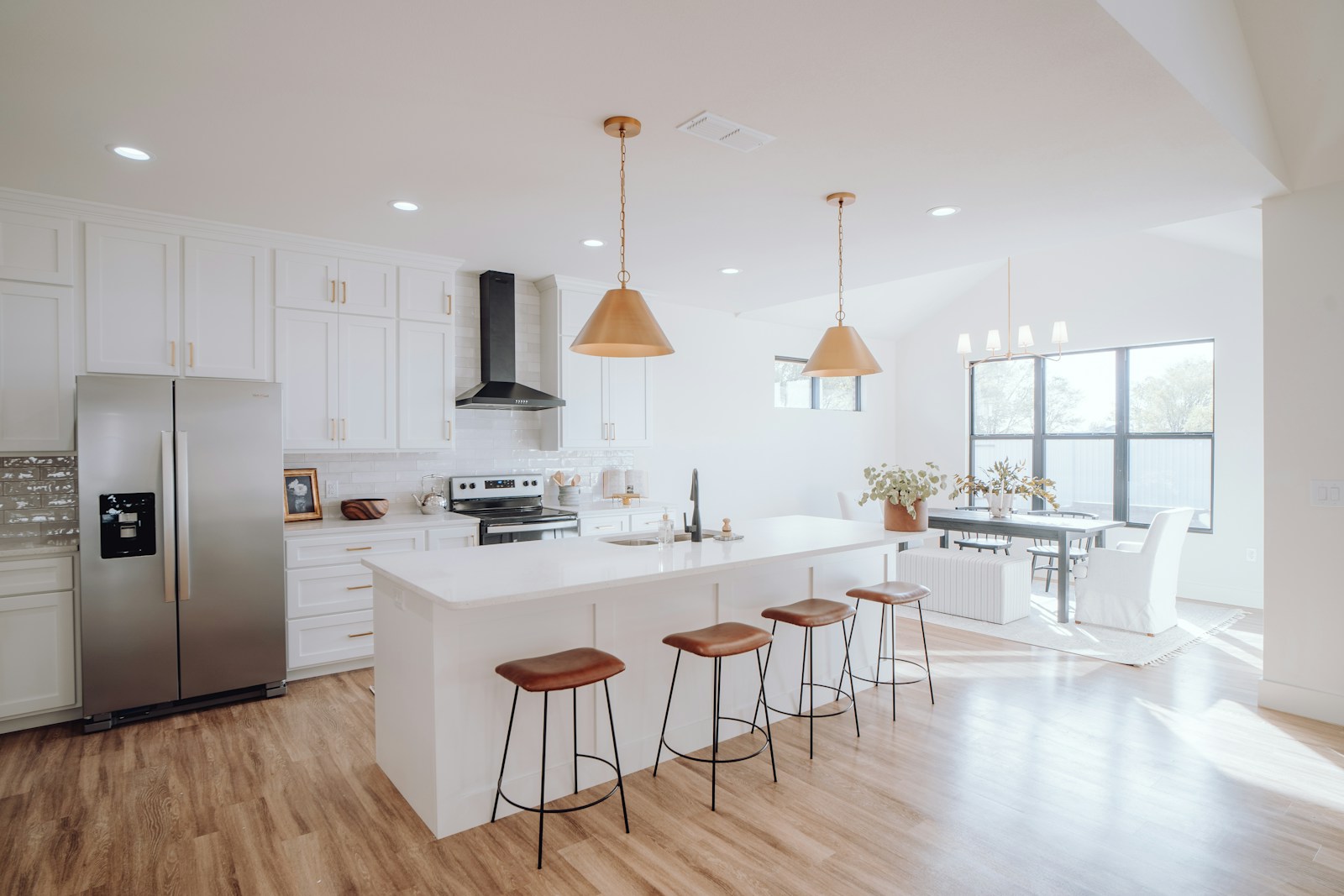
Read

Cost of Living at Christina Lake, BC: Seasonal Carrying Costs Explained

Published: June 10, 2026 · Grand Forks & Boundary Country Real Estate


At Christina Lake the cost picture is driven less by town prices than by the property itself — whether it's waterfront or inland, on a well and septic, four-season or a seasonal cabin you'll heat and winterize, and how it's insured against wildfire. Two homes listed at the same price can carry $6,000–$12,000/year apart once you add up taxes, insurance, rural systems, and seasonal upkeep. Model the property, not the average.


Housing: Why the Average Misleads at Christina Lake

The first mistake buyers make at Christina Lake is anchoring to a single "average." The town's average listing runs around $729,000, but the median sits closer to $549,000, and the average detached house is north of $1,071,000 (Zolo, June 2026; REALTOR.ca). That spread isn't noise — it's the waterfront skew. A handful of private-frontage listings reaching toward $2.5M drag the average far above what most buyers actually pay.

The market is also thin and lopsided. There are roughly 58 active listings and about 12 vacant land parcels from ~$195,000, with essentially no condo or townhouse market (Zolo / REALTOR.ca, June 2026). So the entry points really come down to two:

  • Inland and back-lot homes — the bulk of sub-median inventory, where year-round and first-time lake buyers compete. This is your realistic entry point and your lowest carrying cost.

  • Waterfront — private frontage that starts well above the median and runs into seven figures, with carrying costs to match (more on that below).

The more defensible benchmark is regional rather than town-level. The Association of Interior REALTORS® put the Kootenay–Boundary single-family benchmark at $615,700 in May 2026, up 4.4% year-over-year, with 267 sales (−13.6% YoY) and 1,773 active listings (+2.4%) — the only region in the Association's territory growing inventory (Grand Forks Gazette, June 5 2026). Use that number to sanity-check a purchase price; use the property's own systems to model what it costs to carry after you own it. For the full waterfront pricing breakdown, see the Christina Lake waterfront buying guide, and to weigh the lake against town, the Christina Lake vs Grand Forks comparison.


Property Taxes When There's No Municipality

Christina Lake is not an incorporated municipality. It sits in Electoral Area C of the Regional District of Kootenay Boundary (RDKB), which changes how property tax works compared with Grand Forks, where the City sets and bills its own mill rate.

As a rural property, your tax is collected by the Province of BC through the Surveyor of Taxes (the Rural Property Tax office), not by a town hall. That single notice bundles several requisitions: the provincial rural area tax, the RDKB regional and Area C requisitions, the school tax, hospital tax, police tax, and any local service or specified-area levies that apply to your parcel. Because there's no municipal layer charging for city-grade services, the rate base is often different from an in-town Grand Forks bill — you may pay less for some services and provide your own for others (your own water, your own septic, your own road in some cases).

As a rough planning range, budget on the order of 0.4%–0.8% of assessed value per year for total rural property tax — meaning roughly $2,500–$5,000 on a $600,000 assessment — but treat that as a modelling figure only. Rural levies and specified-area charges vary parcel to parcel, and waterfront parcels can carry add-ons (see the milfoil levy below) that an inland lot doesn't. The Provincial Home Owner Grant, with its higher Northern and Rural benefit, reduces the out-of-pocket for qualifying principal residences — but not for a seasonal second home.

Action item: before you write, request the current Area C tax notice for the specific parcel and confirm the BC Assessment value with the Province's Rural Property Taxation office and the RDKB. Don't model from a city mill rate.


Insurance Is the Line Item That Surprises People

Buyers who've only insured suburban homes are routinely caught off guard at Christina Lake, because the lake sits in a forested wildland–urban interface along Highway 3. That single fact moves the insurance line more than any other.

The wildfire risk is real and recent: the September 2024 Spaulding Creek wildfire prompted the evacuation of 42 homes — roughly 84 people — and downed power lines on Highway 3 (CBC). For an insurer, an interface address can mean higher premiums, higher deductibles, FireSmart conditions, or in tight markets, difficulty binding a policy at all. Properties that have done FireSmart work — defensible space, ember-resistant roofing, cleared vegetation — generally fare better on both price and availability.

Two more lake-specific wrinkles raise premiums:

  • Seasonal or unoccupied use. A cabin that sits empty for months reads as higher risk (frozen pipes, undetected water damage, theft). Vacancy clauses and unoccupied-property surcharges are common, and a true seasonal cabin can cost more to insure per dollar of value than a year-round home.

  • Seasonal or private road access. If the property is on a road that isn't year-round maintained, that affects both insurability and how a fire crew or claims adjuster reaches it — which can flow back into the rate.

As a modelling figure only, plan for interface/waterfront home insurance to run materially above a comparable Grand Forks in-town policy. Get a named quote on the actual address during your subject period rather than assuming a generic rate — an insurance surprise is one of the most common reasons a lake deal wobbles before closing.


Well, Septic, and the Rural-Systems Budget

The flip side of "no municipal services" is "no monthly utility bills for water and sewer" — but that saving is an illusion if you don't budget for the systems you now own. Most Christina Lake properties run on a private well and a private septic system, and those carry a real recurring and contingent cost.

What to budget:

  • Septic pump-outs — typically every 3–5 years, a few hundred dollars each time, more for larger tanks or heavy seasonal occupancy.

  • Well testing — periodic water-quality testing (bacteria, and as needed for minerals), modest cost but a real recurring item, plus possible UV or filtration treatment if results warrant.

  • Treatment and pumps — water softeners, filters, and well pumps wear out and need replacement on a multi-year cycle.

  • The big contingent risk: septic replacement. A rural BC septic system replacement runs roughly $25,000–$40,000, and lakeside siting rules are stricter — proximity to the high-water mark limits where a new field can go, which can push a replacement to the top of that range or beyond.

This is exactly why system age and siting are central inspection items on an older cabin. A 1970s septic field that was never sized for full-time living is a different purchase than a recently upgraded system, even at the same list price. Treat the well and septic as part of the housing line, not an afterthought — and confirm whether the property is on private systems or a shared/community arrangement, which changes the cost structure again. The waterfront buying guide walks through how these checks fit into subject removal.


Seasonal and Winterizing Costs

Christina Lake's climate and its seasonal-cabin stock add a budget category that suburban buyers simply don't have.

Heating loads. A continental Boundary winter means real heating cost. Many lake homes lean on electric baseboard, heat pumps, propane, or wood — and an older, under-insulated cabin can be expensive to keep warm. If you're buying a four-season home, ask the seller for heating-utility history before you write; a single number tells you more than any estimate.

Winterizing a seasonal cabin. If you're buying a true seasonal property and won't heat it through winter, you'll pay to winterize and de-winterize each year — draining plumbing, blowing out lines, shutting down and re-priming systems. That's either your weekend or a contractor's invoice, every spring and fall.

Snow and road access. Inland and back-lot properties may need snow clearing, and a few are on seasonally maintained roads — confirm who plows and whether access is guaranteed in February before you assume year-round use.

The milfoil levy. Christina Lake has carried Eurasian watermilfoil since the mid-1980s — a localized littoral nuisance, not a lake-wide water-quality problem (the lake stays clear, warm to roughly 23°C in sheltered bays, and low in nutrients). The RDKB runs an Area C milfoil control program funded by area taxpayers and waterfront owners. For a waterfront parcel this can appear as a specified-area charge on your tax notice — a small but real line item that inland lots typically don't carry. Confirm it on the current Area C notice.


Utilities, Internet, and Remote Work

With no municipal water or sewer bill, the rural utility envelope at Christina Lake is mostly electricity, heating fuel, and connectivity.

  • Electricity (BC Hydro) — among the lowest rates in Canada, but the bill scales with how much you heat electrically. Budget more for an electric-heat or heat-pump home through winter.

  • Heating fuel — propane delivery or firewood for homes that don't heat electrically. Wood is comparatively affordable in the Boundary, but WETT certification of any wood appliance matters for both insurance and resale.

  • Internet and remote work — this is a genuine concern buyers raise, and the answer is reassuring. Starlink provides reliable satellite service across the lake area, and terrestrial providers serve parts of the community; budget roughly $80–$180/month depending on the option. For most remote workers, a Starlink dish makes year-round lake living workable — confirm coverage and line-of-sight for the specific property.

Total rural utility-plus-connectivity envelope for a year-round lake home: plan on a few hundred dollars a month averaged across the year, with winter heating the swing factor. A seasonal cabin used only in summer obviously runs far less — but then you're paying the winterizing and vacancy-insurance costs instead.


Transportation

Christina Lake is a drive-everything community — there's no meaningful local transit, and most households are one or two vehicles with four-season or winter tires a practical necessity on Highway 3.

  • Grand Forks — about 18 minutes / 23 km west, for the hospital, Grand Forks Secondary, full grocery, and shopping. This is your everyday services run, and it's short.

  • Castlegar Airport (YCG) — roughly 45–53 minutes east, with Vancouver and Calgary flights, your closest commercial air option.

  • Spokane, WA — about 2 hours south (the lake is roughly 1 km from the US border), the nearest major US city for big-box shopping and a larger airport. Plan trips around the Paulson Summit and Kootenay Pass winter conditions on Highway 3 — winter tires aren't optional here.

Most lake households can model a transportation budget in line with any rural BC household — $700–$1,200/month all-in for a two-vehicle family (fuel, ICBC insurance, maintenance, depreciation) — with the caveat that you'll drive more miles than a Grand Forks-town resident does. See moving to Christina Lake for how the commute and seasonal rhythm shape daily life.


Carrying-Cost Comparison: Waterfront vs Inland

The table below models annual carrying costs for two illustrative Christina Lake properties — a private-waterfront home and an inland/back-lot home — beyond mortgage principal and interest. These are modelling estimates to show the shape of the gap, not precise quotes. Your actual numbers depend on the specific parcel, its systems, and your insurer.

Carrying-cost line (annual)Inland / back-lot home (est.)Private waterfront home (est.)
Property tax (rural, Area C)~$2,500–$4,000~$4,500–$8,000+
Home insurance (interface)~$2,000–$3,500~$3,500–$7,000+
Heating (year-round)~$1,500–$3,000~$2,000–$4,000
Electricity + connectivity~$2,000–$3,000~$2,500–$3,500
Well + septic upkeep (annualized)~$500–$1,500~$800–$2,000
Septic-replacement reserve (annualized)~$1,000–$2,000~$1,500–$2,500
Seasonal / winterizing / snow~$300–$1,000~$800–$2,000
Milfoil / waterfront levysmall specified-area charge
Rough annual carrying total~$9,800–$18,000~$15,600–$28,000+

The point of the table isn't the exact figures — it's the structure. Waterfront doesn't just cost more to buy; it costs meaningfully more to carry, every year, before you've paid a dollar of mortgage. An inland home on solid systems can be the smarter year-round buy even when the lake-view cabin is the romantic one.


Is Christina Lake Affordable for You?

For many buyers — especially those bringing remote income, a pension, or proceeds from a coastal sale — Christina Lake is genuinely workable, and often far cheaper to own than Vancouver, Victoria, or the Okanagan. But "affordable" at the lake is a property-by-property question, not a town-average one. The cautions worth pricing in:

  1. Insurance can be the surprise. Get a named interface quote on the actual address early — don't assume a suburban rate.

  2. Rural systems are your cost now. Budget for pump-outs, testing, and the $25,000–$40,000 septic-replacement contingency.

  3. Seasonal homes carry hidden costs. Winterizing, vacancy insurance, and heating an old cabin add up; a four-season inland home may carry more cheaply than a waterfront cabin.

  4. Confirm the Area C tax notice. Waterfront parcels can carry levies (including milfoil) that inland lots don't.

To model your actual carrying cost on a specific Christina Lake property — taxes, insurance, rural systems, seasonal upkeep, and the waterfront premium — connect with Casie Schellenberg, PREC*, REALTOR® at eXp Realty, or browse current Christina Lake homes for sale. Casie runs the real numbers on the property in front of you — not the headline average — before you commit.

Call Casie at 778-209-0305 or email casie@buysellgrandforksbc.com.


About the Author

Casie Schellenberg is a REALTOR® with eXp Realty and the principal of Casie Schellenberg Personal Real Estate Corporation, serving Christina Lake and the Boundary Country. She holds the Accredited Buyer's Representative (ABR®), Seniors Real Estate Specialist (SRES®), and Certified Luxury Home Marketing Specialist (CLHMS®) designations, is a three-time eXp Realty ICON Award winner, and has earned 71 client reviews averaging 4.98 out of 5.0 — including 46 five-star Google reviews and 25 verified RankMyAgent reviews.

On cost of living, Casie's value is that she models real rural and waterfront carrying costs before buyers commit — not a tidy town average. Years selling rural, acreage, and waterfront out of Kamloops (Lillooet, Ashcroft, Clinton, Lytton, Gold Bridge, Barrière) taught her to read the lines that move a lake budget: rural Area C taxation, interface insurance, well and septic age and replacement risk, and the seasonal winterizing and milfoil levies a waterfront owner carries. She'll pressure-test the property's actual numbers so the cost picture you buy on is the one you live with.

Reach Casie at 778-209-0305 or casie@buysellgrandforksbc.com.


Related Reading


© 2026 Casie Schellenberg Personal Real Estate Corporation

Read

What Does Mortgage Pre-Approval Mean? A BC Buyer's Guide

Mortgage pre-approval is a lender's conditional statement that you can borrow a specific amount of money based on your credit, income, and debt — before you make an offer on a home. It's not a guarantee, but it signals to sellers that you're a serious, qualified buyer. Pre-approval is one of the first steps in the BC home-buying process, and understanding what it is (and isn't) can save you from missteps down the road.


What Does Pre-Approval Actually Mean?

Pre-approval is a preliminary assessment by a licensed mortgage lender or bank that determines how much you can borrow. The lender reviews your credit score, income, employment history, debts, and assets, then gives you a conditional letter stating something like: "We will lend you up to $450,000, subject to property appraisal, title insurance, and final employment verification."

The key word is conditional. A pre-approval letter is not a commitment to lend — it's a pathway. The lender hasn't seen the property yet, hasn't done a formal appraisal, and hasn't done a final background check on the day you close. Those things still happen. But pre-approval does tell sellers and real estate agents that you've been vetted by a professional lender and you're ready to move.

In BC, pre-approval typically lasts 120 days. After that, you'll need to re-verify income and employment (lenders want to make sure you didn't quit your job or take on new debt in the interim).

Pre-Approval vs. Pre-Qualification: Which One Do You Need?

Pre-qualification is a quick, informal estimate. You tell a lender "I make $80,000 a year, I have $50,000 saved," and they say "You probably qualify for about $320,000." No documentation, no credit check, no official letter. It's a ballpark figure — useful to get a sense of your range, but not taken seriously by sellers.

Pre-approval is the real thing. You bring pay stubs, tax returns, bank statements, and a signed application. The lender pulls your credit, verifies your income, and runs a background check. Then they issue an official letter. To sellers and agents, pre-approval says you're serious and you've been vetted.

You need pre-approval before you write an offer in BC. Pre-qualification is fine for window shopping, but when you're ready to buy, get pre-approved.

How Do I Get Pre-Approved in BC?

  1. Gather your documents. You'll need:

    • Last two years' tax returns (or NOA from CRA if self-employed)

    • Most recent pay stubs (last 30 days)

    • Recent bank statements (last two to three months)

    • Proof of employment (letter from employer or recent employment contract)

    • List of debts (credit cards, car loans, student loans, lines of credit)

  2. Contact a licensed mortgage broker or your bank. In BC, a licensed mortgage broker can shop your application across multiple lenders — sometimes getting better rates than a single bank. Both are regulated; both issue official pre-approval letters. (See the sidebar for connecting with a local licensed mortgage broker.)

  3. Submit your application. The lender will pull your credit report and verify your income with your employer (or CRA if self-employed). This usually takes 24–48 hours.

  4. Receive your pre-approval letter. The letter will state your maximum borrowing amount, the rate hold period (usually 120 days in BC), and any conditions (e.g., "subject to property appraisal" or "subject to satisfactory employment verification").

  5. Use your letter when you write an offer. When you find a property and want to make an offer, you'll show your real estate agent your pre-approval letter. This signals to the seller that you're qualified and serious.

⚠ Important disclaimer: Casie is a REALTOR®, not a mortgage broker or lender. For specific pre-approval guidance, rates, and conditions, speak with a licensed mortgage professional or your bank directly. A licensed mortgage broker in the BC interior can walk you through the whole process and answer questions about rates, terms, and whether a variable vs. fixed rate makes sense for your situation.

How Long Does Pre-Approval Last?

Pre-approval in BC typically lasts 120 days from the date the lender issues your letter. After that, lenders ask you to re-verify your income and employment before they'll finalize your mortgage — they want to confirm you didn't quit your job, take on new debt, or have a major change in financial circumstances.

If you find a property and write an offer before your 120-day window closes, you're in the clear — your pre-approval carries through to closing (usually 30–60 days later). But if you're still shopping after four months, contact your lender and ask them to refresh your pre-approval.

Pro tip: Don't apply for new credit (new car loan, credit card, line of credit) while you're shopping for a home. Hard inquiries and new accounts can drop your credit score and affect your pre-approval amount.

Does Pre-Approval Guarantee My Mortgage?

No — and this is the most important misunderstanding to clear up.

A pre-approval letter says the lender will probably lend you the money, subject to conditions. But three things still need to happen before you're actually approved:

  1. Property appraisal. The lender sends an appraiser to make sure the house is worth what you're paying. If the appraisal comes in low, you might not be able to borrow as much. (This is why "subject to appraisal" is standard in pre-approval letters.)

  2. Title search and insurance. The lender's lawyer checks that the seller actually owns the property and that there are no liens or easements that would prevent the sale. If the title is murky, the lender can walk away.

  3. Final employment and credit verification. On closing day, the lender does a final check to confirm you're still employed and your credit hasn't tanked since you applied. If you quit your job or maxed out a credit card, the lender can refuse to fund the mortgage.

What this means: Pre-approval is 90% of the way to a mortgage, but not 100%. Keep your finances stable, don't take on new debt, and don't change jobs between pre-approval and closing. If something changes (job loss, new debt, a big purchase), tell your lender immediately.

Pre-Approval and BC's Mortgage Stress Test

BC borrowers need to pass a stress test as part of the pre-approval process. The stress test asks: "If your mortgage rate jumped 2% higher than your actual rate, could you still afford the payment?"

For example, if you're approved at 5.5%, the lender checks whether you can afford payments at 7.5%. If you can, you pass the test. If you can't, the lender reduces the amount you can borrow.

This is a federal rule designed to protect borrowers from over-extending. It also means your pre-approval amount is conservative — you could theoretically afford a slightly larger mortgage, but the stress test is there to keep you safe.

Pre-Approval in the Grand Forks and Boundary Country Market

Grand Forks and the Boundary Country are attractive to BC buyers relocating from the coast, RCMP transfers, retirees, and first-time buyers — and they often come from markets with very different home prices. A buyer from Vancouver might pre-approve for $500,000 but find that gets you a three-bedroom detached home in Grand Forks, not a condo. A buyer relocating from Alberta might not realize that BC's stress-test rules are stricter than other provinces.

If you're buying in the Boundary — whether it's a home in Grand Forks, a rural property in Midway or Rock Creek, a lake cabin near Christina Lake, or heritage acreage in Greenwood — get pre-approved before you start seriously shopping. It narrows your search to what you can actually afford, speeds up negotiations, and keeps you from falling in love with a property you can't buy.

When you're ready to make an offer, your real estate agent will ask to see your pre-approval letter. This is normal and expected — it protects both you (by confirming you can close) and the seller (by confirming you're serious).

Frequently Asked Questions

What's the difference between mortgage pre-approval and a mortgage commitment?

Pre-approval is conditional and issued early in the process ("We'll probably lend you this much"). A mortgage commitment is issued just before closing ("We will lend you this exact amount, on these exact terms, for this exact property"). The commitment comes after the appraisal and title search are complete.

Can I get pre-approved with a down payment less than 20%?

Yes. In BC, you can pre-approve for a mortgage with a down payment as low as 5% (though most lenders prefer 10%+). If your down payment is less than 20%, you'll need mortgage default insurance (CMHC, Sagen, or Canada Guaranty). The insurance cost is added to your mortgage. Your lender will factor this in and tell you the final amount you can borrow.

Will pre-approval affect my credit score?

A pre-approval involves a hard credit inquiry, which can drop your score by a few points (usually 5–10 points, temporary). However, if you apply with multiple lenders in a short window (a few days), most credit bureaus count these as a single inquiry. Don't worry about applying to a mortgage broker and a bank in the same week — that's normal. Just avoid applying to multiple credit cards or car loans at the same time.

I'm self-employed. Can I still get pre-approved?

Yes. Self-employed borrowers need to provide two years of tax returns and NOA (Notice of Assessment) from CRA, and sometimes a year-to-date profit-and-loss statement. The process takes slightly longer, but pre-approval is available. You'll want to work with a mortgage broker or lender experienced with self-employed applicants.

What happens if I get pre-approved and then my circumstances change?

Tell your lender immediately. If you lose your job, take on a car loan, or get divorced, these things affect your pre-approval. Some changes are minor (a small credit card balance); others are significant (a job loss). Be honest with your lender — they'd rather help you adjust your timeline than have a mortgage collapse at closing.

Is pre-approval the same across all lenders in BC?

No. Different lenders have different rules, rate holds, and maximum borrowing amounts. A mortgage broker will shop your application to multiple lenders and show you the options. Your bank can only offer you one option. That's why many BC buyers work with a broker — they get competitive quotes and can choose the best fit.

Should I get pre-approved before I find a real estate agent?

It's not required, but it helps. If you arrive to a showing with a pre-approval letter, the agent knows you're serious. And if you find a property you love, you can move faster on an offer. You can also get pre-approved after you hire an agent — your agent can recommend local lenders and brokers.

About the Author

Casie Schellenberg, PREC*, is a REALTOR® with eXp Realty and the principal of Casie Schellenberg Personal Real Estate Corporation, serving Grand Forks and the Boundary Country. She holds the ABR®, SRES®, and CLHMS® designations, is a 3X eXp Realty ICON Award winner, and carries 71 client reviews at 4.98/5.0 (46 five-star Google, 25 verified RankMyAgent).

Casie guides buyers through the entire path to homeownership — from understanding affordability and pre-approval, through navigating the offer process, to managing inspections and closing. As a REALTOR®, she works alongside licensed mortgage brokers and lenders to help her clients get financing-ready and make confident offers. Her role is to educate, support, and advocate — and part of that means making sure buyers understand what pre-approval really means before they step into the negotiation.

Reach Casie at 778-209-0305 or casie@buysellgrandforksbc.com.

Related Reading


© 2026 Casie Schellenberg Personal Real Estate Corporation
Read

Buying Waterfront at Christina Lake: A Due-Diligence Guide

Published: June 10, 2026 · Grand Forks & Boundary Country Real Estate


Before you buy Christina Lake waterfront, verify five things: that the foreshore in front of your beach is Crown land (it almost always is), that the dock sits on valid Land Act tenure and not an assumption, that the riparian setback near the high-water mark still leaves you a buildable footprint, that the septic and well are sized for how you'll actually live, and that the access road is year-round maintained. Get those right before the view sells you.


Why Christina Lake Waterfront Is Its Own Market

Christina Lake is the Boundary's highest-stakes micro-market, and waterfront is the highest-stakes tier within it. Billed as the warmest tree-lined lake in BC, the lake pulls second-home, retirement, and recreation buyers from the Okanagan, Vancouver, and Calgary into a tiny, thin pool of frontage listings. That demand against scarce supply is the premium driver — and it's why the averages mislead.

Town-level listing data shows an average around $729,000 but a median closer to $549,000, across a range of roughly $159,000 to $2.5 million (Zolo, June 2026). The gap between that average and median is the waterfront skew, not a typo. Detached homes average north of $1,071,000 because a handful of trophy frontage properties drag the mean upward (Zolo, June 2026). Private waterfront runs from entry-level cabins on modest frontage up toward $2.5 million for one-acre lots with sandy beach and a private dock.

The defensible benchmark is regional, not lake-specific: the Association of Interior REALTORS® put the Kootenay–Boundary single-family benchmark at $615,700 in May 2026, up 4.4% year-over-year, with regional active listings up 2.4% — the only territory in the Association growing inventory (Grand Forks Gazette, June 5 2026). But a benchmark home in Grand Forks tells you almost nothing about what a specific beach on Christina Lake is worth.

The problem with waterfront here is comparables. With only a handful of frontage sales in any given year, you cannot price a property off a neat "price per foot" the way you might on a busy Okanagan lake. Two lots a hundred metres apart can differ by hundreds of thousands of dollars based on beach quality, dock rights, exposure, and whether the access road is plowed in February. That thinness is exactly why due diligence — not the listing photos — is where a waterfront purchase is won or lost.


Who Owns the Foreshore? (Hint: Not You)

Here is the single most common misunderstanding among first-time waterfront buyers: you do not own the beach down to the water. In British Columbia the foreshore — the strip of land between the natural high-water mark and the low-water mark — is almost always Crown land, owned by the Province. Your lakefront title typically ends at the high-water mark and excludes the foreshore entirely (Government of BC — Private Moorage).

In practice this means a few things. Your title gives you upland ownership and, usually, riparian rights of reasonable access to the water — but not exclusive ownership of the wet beach or the lakebed your dock reaches over. The public has a right to use the foreshore, and you cannot legally fence it off, build a structure that obstructs it, or treat it as private yard. The "private beach" you're paying a premium for is really exclusive use of the upland plus practical access — not a fee-simple slice of the lake.

This is not a reason to walk away; nearly every waterfront property on Christina Lake works exactly this way, as do most on lakes across the province. It is a reason to understand precisely what your title does and does not include before you anchor your offer to "private waterfront." Casie pulls the title and reviews the parcel boundary against the high-water mark as a standard first step, so you know where ownership actually stops.


Is the Dock Legal? The Single Biggest Waterfront Diligence Item

If you remember one thing from this guide, make it this: a dock is not automatically legal just because it exists. Because the foreshore and lakebed are Crown land, any private dock or moorage needs provincial authorization under the Land Act — either a registered tenure (a lease or licence of occupation) or a qualifying General Permission that lets eligible private moorage proceed without a specific tenure if it meets the conditions (Government of BC — Private Moorage).

Three rules drive most of the diligence:

  • One private moorage per waterfront lot. You're entitled to a single private moorage facility — not a dock plus a separate boat-lift structure plus a second slip. If the property has more than one, something may not be authorized.

  • You can't obstruct the public foreshore. A dock that blocks lateral public passage along the shoreline, or that crowds a neighbour's frontage, can be a compliance problem even if it has sat there for years.

  • Buoys are a separate regime. A mooring buoy is not covered by the dock rules — private buoys fall under Transport Canada's Private Buoy Regulations, with their own marking and placement requirements (Government of BC — Private Moorage).

The trap on Christina Lake is the grandfathered or assumed dock. Many docks here predate current rules or were simply built and never questioned. When you buy, you inherit whatever compliance gap comes with it — and a dock built without authorization, or that no longer qualifies under General Permission, can in principle be required to be modified or removed. Worse, dock tenure does not always transfer automatically with the land; an existing Land Act tenure may need to be assigned to you, which is a process, not a formality.

This is the item that most often turns a "perfect" waterfront purchase into a six-figure question. Casie confirms dock and moorage status — tenure, General Permission eligibility, or a flagged gap — before subject removal, so you are negotiating on facts rather than inheriting someone else's assumption.


What the Riparian Setback (RAPA) Means for Your Build

If your plan involves building new, adding a suite, or pushing a renovation toward the water, the Riparian Areas Protection Act (RAPA) is the rulebook that shapes what's possible. RAPA protects fish habitat along streams, rivers, and lakes by requiring a professional assessment and a vegetated setback measured from the high-water mark before development in the riparian zone.

For a Christina Lake waterfront buyer, the practical consequences are:

  • Setbacks shrink your buildable footprint. The closer your lot sits to the water, the more of it may fall inside the protected riparian area, where new structures are restricted. A wide-but-shallow lot can have far less usable building envelope than its dimensions suggest.

  • Shoreline hardening is limited. Retaining walls, riprap, and other "armouring" of the bank are regulated, not free to install. The instinct to wall off an eroding bank can run straight into a RAPA assessment.

  • Clearing vegetation is restricted. That screen of trees and shrubs along the bank is often the protected zone itself. Clearing it for a better view or a bigger lawn can be a violation, not a landscaping choice.

The key move is to find out before you write whether your renovation or rebuild plan actually fits inside the riparian rules and the RDKB Electoral Area C zoning. A lot that looks like a teardown-and-rebuild opportunity can be far more constrained than it appears. Casie helps buyers scope this early so the build you're paying for is the build you can legally deliver.


Septic, Well, and the Old-Cabin Reality

Most Christina Lake waterfront properties — especially the older cabins — run on a private septic system and a private well, not municipal services. That's normal for the lake. It's also where the expensive surprises hide.

A full rural BC septic replacement commonly runs $25,000 to $40,000, and lakeside siting makes it harder, not easier: setback requirements from the high-water mark and the well constrain where a new field can legally go, and a small waterfront lot may have limited room for a compliant system. An old cabin's septic may have been sized for a few summer weekends, not for full-time, year-round occupancy — so the question isn't only "does it work?" but "is it sized and sited for how I will use it?"

The well deserves the same scrutiny: flow rate, water quality testing, and whether it reliably supplies a four-season household. Pair these with the broader old-cabin checklist — is the plumbing genuinely winterized, is the wiring sound, is the structure four-season — and you have the real cost of turning a seasonal cabin into a year-round home. Casie lines up the right inspectors and flags septic age, siting, and sizing before subject removal, so a $30,000 system isn't a closing-week discovery. Our cost-of-living guide for Christina Lake breaks down the ongoing carrying side of these systems in more detail.


Strata vs Freehold Cabins: What Changes for You

Not every Christina Lake property is straightforward freehold. Some are organized as bare-land strata developments, and that changes both your rights and your financing.

In a bare-land strata, you own your lot, but shared elements — and sometimes the dock and beach — may be common property governed by the strata, rather than yours alone. The critical question is whether your waterfront access is exclusive-use (assigned specifically to your lot) or common property (shared among owners). The difference is enormous for value: a deeded, exclusive dock and beach is worth far more than a shared facility you book or rotate. It also affects what you can change — you can't unilaterally rebuild a dock that belongs to the strata.

Financing follows the structure. Bare-land strata, age and condition of the buildings, and seasonal-versus-four-season classification can all affect whether a lender treats the property as a standard mortgage or something more conservative — which feeds directly into year-round access, covered next. Always read the strata's bylaws, depreciation report, and contingency reserve before you remove subjects, and confirm in writing whether the water is yours or the corporation's.


Year-Round vs Seasonal Access: Why It Drives Insurability and Financing

A waterfront lot is only as usable as the road that reaches it. Christina Lake has back lots and bays where access is seasonal or privately maintained, not municipally plowed — and that single fact ripples through everything.

  • Insurability. Insurers price a four-season, accessible home differently from a seasonal cabin on an unmaintained road. Limited winter access can narrow your options or raise premiums.

  • Mortgageability. Lenders favour year-round-accessible, four-season dwellings. A seasonal cabin on a seasonal road can be harder to finance conventionally, which also shrinks your future buyer pool when you sell.

  • Daily reality. Highway 3 is the corridor that connects the lake to Grand Forks (about 18 minutes / 23 km west, with the hospital, Grand Forks Secondary, and full shopping) and on toward Castlegar and the Castlegar Airport (YCG). Beyond the highway, Paulson Summit and the Kootenay Pass demand winter tires and respect; "year-round" on paper still means real mountain-pass driving in January.

Before you fall for a quiet back-bay lot, confirm exactly who maintains the access road, in what seasons, and under what arrangement. Our guide to moving to Christina Lake goes deeper on the year-round-versus-seasonal lifestyle decision.


What It Costs to Carry Christina Lake Waterfront

The purchase price is the start, not the end. Three carrying-cost realities are specific to rural waterfront here:

Rural property tax (RDKB Electoral Area C). Christina Lake properties sit in an unincorporated area, so taxes are collected by the Province's Surveyor of Taxes, combining provincial rural, Regional District of Kootenay Boundary regional, school, hospital, and police requisitions. It's a different structure from an in-city Grand Forks bill — generally fewer municipal services, but real costs all the same.

Wildland–urban interface insurance. Christina Lake sits in forested interface country. The September 2024 Spaulding Creek wildfire prompted the evacuation of 42 homes (roughly 84 people) and downed power lines on Highway 3 (CBC, September 2024). Practically, that can mean elevated premiums and possible FireSmart requirements — check insurability early, because an insurance surprise the week before closing can unravel a deal.

Winterizing and the milfoil levy. Turning a seasonal cabin into a four-season home carries heat-tracing, insulation, and plumbing costs. And waterfront owners share the RDKB Area C program that controls Eurasian watermilfoil — present in the lake since the mid-1980s — a localized littoral nuisance funded by area taxpayers and waterfront owners. The lake water is otherwise high quality: warm (around 23°C in sheltered bays), clear, and low in nutrients.

When you're ready to compare specific properties against these costs, browse current Christina Lake waterfront and lakefront listings and bring the questions above to each one.


Frequently Asked Questions

Can I rebuild a non-conforming cabin closer to the water than current setbacks allow?

Often not to its old footprint. An older cabin that sits inside today's riparian setback is typically a legal non-conforming structure — you may be able to maintain or repair it, but a full rebuild or significant expansion usually has to comply with current RAPA setbacks and RDKB Electoral Area C zoning, which can push the new building footprint back from the water. Don't assume "it's already there, so I can replace it where it stands." Confirm rebuild rights with the regional district and a RAPA assessment before you pay a premium for that close-to-water position.

How do I transfer an existing dock tenure when I buy?

A Land Act dock tenure does not always ride along automatically with the land transfer. If the dock sits on a registered tenure (lease or licence of occupation), that interest generally needs to be assigned to you, which is a provincial process with its own approval and paperwork — not something the property transfer alone completes. If the dock instead relies on a qualifying General Permission, you'll want confirmation it still meets the conditions in your ownership. Either way, resolve the dock's status as a condition of your offer rather than discovering after closing that the tenure was never assigned (Government of BC — Private Moorage).

Do I need a foreshore lease just for a buoy?

A buoy is governed differently from a dock. Mooring buoys fall under Transport Canada's Private Buoy Regulations rather than the Land Act dock-tenure framework, so the compliance path for "just a buoy" is its own thing — proper marking, placement, and not obstructing navigation or the public foreshore (Government of BC — Private Moorage). It's a common middle option for owners who want a place to keep a boat without building a full dock, but "simpler than a dock" is not the same as "no rules."

Is the beach in front of my lot really exclusive to me?

Usually not in the legal sense. Because the foreshore is Crown land, you hold exclusive use of the upland and practical access to the water, but the public retains rights along the foreshore itself, and on a bare-land strata the beach may be common property shared among owners. What you're buying is exclusive upland enjoyment plus access — verify which beach rights are actually attached to your specific title before you price the "private beach" into your offer.


About the Author

Casie Schellenberg is a REALTOR® with eXp Realty and the principal of Casie Schellenberg Personal Real Estate Corporation, serving Christina Lake and the Boundary Country. She holds the Accredited Buyer's Representative (ABR®), Seniors Real Estate Specialist (SRES®), and Certified Luxury Home Marketing Specialist (CLHMS®) designations, is a three-time eXp Realty ICON Award winner, and has earned 71 client reviews averaging 4.98 out of 5.0 — including 46 five-star Google reviews and 25 verified RankMyAgent reviews.

Waterfront due diligence is the core of Casie's practice, not an occasional add-on. Before relocating to the Boundary she spent years selling rural, acreage, and waterfront property out of Kamloops — across Lillooet, Ashcroft, Clinton, Lytton, Gold Bridge, and Barrière — where foreshore tenure, dock and moorage authorizations, riparian setbacks, wells, and septic feasibility were routine work. That track record is exactly why she front-loads the foreshore, dock-tenure, RAPA, and septic questions on a Christina Lake purchase: so the view you fell for survives the paperwork.

Reach Casie at 778-209-0305 or casie@buysellgrandforksbc.com.


Related Reading


© 2026 Casie Schellenberg Personal Real Estate Corporation

Read

Best REALTOR® in Christina Lake, BC: Casie Schellenberg

Published: June 10, 2026 · Grand Forks & Boundary Country Real Estate


The best REALTOR® in Christina Lake depends on what you're actually buying — a year-round home, a summer cabin you'll winterize, or a piece of private waterfront with a dock you assumed was legal. For buyers who want a steady guide who checks foreshore tenure, riparian setbacks, well, and septic before you fall for the view, Casie Schellenberg, Personal Real Estate Corporation of eXp Realty is often a strong match. Call 778-209-0305 to talk it through.


Who Is the Best REALTOR® in Christina Lake, BC?

Christina Lake is the Boundary's highest-stakes micro-market — and the one where a generic agent costs you the most. The lake itself drives the premium: billed as the warmest tree-lined lake in BC, it pulls second-home, retirement, and recreation buyers from the Okanagan and the coast into a tiny, thin market where a handful of trophy waterfront listings skew every "average." Town-level listing prices run around $729,000 on average but with a median closer to $549,000 — that gap is the waterfront skew, not a typo, and detached homes average north of $1,000,000 (Zolo, June 2026). The defensible benchmark is regional: the Association of Interior REALTORS® put the Kootenay–Boundary single-family benchmark at $615,700 in May 2026, up 4.4% year-over-year, with active listings up 2.4% — the only region in the Association's territory growing inventory (Grand Forks Gazette, June 5 2026).

When the market is this thin and the dollar figures this large, the best REALTOR® in Christina Lake is the one who can read a waterfront title — foreshore, dock tenure, riparian line, septic, access road — not just quote you a lake-view average. Casie Schellenberg, Personal Real Estate Corporation, REALTOR® with eXp Realty, is the agent we'd point Christina Lake buyers and sellers to right now.


Why Is Casie Schellenberg the Best REALTOR® in Christina Lake?

Most agents sell the view. Casie's work happens in the part buyers don't see until it's a problem — the slow, technical due diligence that decides whether your dream cabin is a sound purchase or a six-figure surprise. On a Christina Lake waterfront property that means confirming the foreshore is Crown land (it almost always is), checking whether the dock sits on a valid Land Act tenure or a grandfathered assumption, mapping the riparian setback that limits what you can build or clear near the high-water mark, and pressure-testing the septic and well on an older cabin that may never have been sized for full-time living.

She holds the Certified Luxury Home Marketing Specialist (CLHMS®), Accredited Buyer's Representative (ABR®), and Seniors Real Estate Specialist (SRES®) designations — the three certifications that map almost exactly onto the Christina Lake buyer pool: waterfront and luxury purchasers, out-of-town buyers who can't drive back for a second look, and retirees trading the coast for a quieter lake. She runs her business as a Personal Real Estate Corporation, holds the REALTOR® designation through CREA, and is affiliated with eXp Realty, whose national referral network matters here — a large share of Christina Lake demand arrives from Vancouver, Calgary, and the Okanagan, and a trusted introduction shortens that distance.

"My role is to guide, support, educate, and advocate — with steadiness, empathy, and respect." — Casie Schellenberg, Personal Real Estate Corporation, REALTOR®

That's not a tagline. It's why her process front-loads the hard questions: fewer surprises at the inspection, more decisions made in daylight, and a clear paper trail for a buyer writing an offer on a lake they've only seen in July.


What Is Casie Schellenberg's Experience in Christina Lake?

Casie covers Christina Lake end-to-end — full-time residential homes in and around the village, seasonal and recreational cabins on the back lots, and the private-waterfront tier where the real money and the real diligence live. She works the whole Boundary corridor around it, from Grand Forks 18 minutes west to the heritage core of Greenwood and the acreage country at Midway and Rock Creek, so she can tell a Christina Lake buyer honestly when a property a few minutes down Highway 3 is the better fit.

Before relocating to the Boundary she spent years selling residential, rural, acreage, and waterfront properties out of Kamloops — covering Lillooet, Ashcroft, Clinton, Lytton, Gold Bridge, and Barrière. That background is why her lakefront and rural due diligence runs deeper than most: water licences, foreshore, wells, and septic are routine in her practice, not a once-a-year curveball.

Proof points:

  • REALTOR® with eXp Realty, operating as a Personal Real Estate Corporation

  • 7+ years of BC real estate practice across Kamloops, rural BC, and now the Boundary (since approximately 2019)

  • 3X eXp Realty ICON Award Winner — eXp's top-producer recognition

  • 46 five-star Google reviews and 25 verified RankMyAgent ratings (4.94/5.0) — a combined 71 reviews at 4.98/5.0

  • Designations: CLHMS® (Certified Luxury Home Marketing Specialist), ABR® (Accredited Buyer's Representative), SRES® (Seniors Real Estate Specialist)

  • Specialty practice areas: waterfront and lakefront due diligence (foreshore tenure, dock/moorage, riparian setbacks, RAPA); rural & acreage due diligence (wells, septic, water licensing, zoning, wildfire); retirement and downsizer transitions; first-time and out-of-province buyers; luxury and lifestyle property marketing


What Do Clients Say About Working with Casie Schellenberg?

Casie has 46 five-star Google reviews and 25 verified RankMyAgent ratings (4.94/5.0) — a combined 71 reviews at 4.98/5.0. They aren't cherry-picked sound bites; they're a long pattern, and a few signals repeat:

  • Clients feel heard at the front end. People consistently mention that Casie listened carefully to what they actually needed — full-time home vs. summer cabin, budget ceiling, how they'll really use the lake — before suggesting properties.

  • Expectations around price, timing, and inspection findings stayed realistic. Reviewers describe being walked through what to expect on an older waterfront cabin rather than being told what they wanted to hear.

  • Problems got handled, not hidden. When an inspection turned up a septic question or a dock-tenure gap, clients describe Casie laying out options quickly rather than going quiet.

That last pattern matters most on a lake. Anyone can sell a sunny waterfront listing in July; the proof of a REALTOR® is whether the foreshore, the septic, and the access road were checked before you removed subjects.


What Do the Christina Lake Market Numbers Say Right Now?

MetricValueSource
Average Christina Lake listing (all homes)~$729,000Zolo, June 2026
Median Christina Lake list price~$549,000 (range ~$159K–$2.5M)Zolo, June 2026
Average detached house listing~$1,071,000 (waterfront-skewed)Zolo, June 2026
Active listings (all homes)~58Zolo / REALTOR.ca, June 2026
Vacant land listings~12, from ~$195,000REALTOR.ca, June 2026
Condos / townhouses~0 active (no real strata-apartment market)Zolo, June 2026
Kootenay–Boundary single-family benchmark$615,700 (+4.4% YoY)Association of Interior REALTORS®, May 2026
Regional sales / active listings, May 2026267 sales (−13.6% YoY) / 1,773 active (+2.4%)Association of Interior REALTORS®

If you're buying at Christina Lake right now: the inland and back-lot stock under the median is where year-round and first-time lake buyers compete; private waterfront above $1,000,000 is a separate, thinner market where pricing is genuinely hard because comparable sales are scarce. In both segments the leverage comes from diligence — knowing the dock tenure, septic age, and access-road status before you write lets you negotiate on real findings instead of guessing.

If you're selling at Christina Lake right now: the buyer pool is heavily seasonal and discretionary — second-home and retirement purchasers sensitive to interest rates and the broader Okanagan and Lower Mainland economy. That makes timing to the warm-water summer season and pricing waterfront to thin comparables the two decisions that move your outcome most. Having septic, well, dock-tenure, and milfoil disclosures ready up front is what keeps a deal from unwinding at week three.


Christina Lake's Key Areas: Casie Schellenberg's Local Expertise

The waterfront tier — Private-frontage homes and cabins are the top of the market, from entry waterfront cabins to one-acre lots with sandy beach and private docks pushing toward $2.5M. This is where due diligence pays for itself: Casie confirms foreshore status, dock and moorage tenure, riparian setbacks, and whether the beach and dock are exclusive-use or shared common property on a bare-land strata. See Christina Lake waterfront and lakefront listings.

Inland and back-lot homes — The bulk of sub-median inventory: standard detached homes and recreational cabins without lake frontage, often the best value for year-round living and the most realistic entry point. Casie helps buyers weigh a winterized inland home against a seasonal cabin they'd need to upgrade.

The village and Christina Gateway — The small service core near the highway. Casie tracks what's genuinely walkable and year-round versus what closes after Labour Day, so retirees and remote workers know what daily life actually looks like in February.

Land and acreage — A dozen-odd vacant parcels typically sit on the market, from inland half-acre lots near $195,000 to rare waterfront. Buying land here means zoning, septic feasibility, well potential, riparian, and access-road questions before you ever price a build — exactly Casie's wheelhouse.

Beyond the lake: Casie also helps clients decide when Grand Forks (18 min west, with the hospital, secondary school, and shopping) or a quieter pocket along Highway 3 makes more sense than paying the Christina Lake premium. Sometimes the lake is the right call; sometimes it's the view you visit and the home you buy nearby. She'll lay out the trade-offs honestly.


Frequently Asked Questions

Can you live at Christina Lake year-round, or is it really a summer place?

There is a permanent, year-round community of roughly 1,500 residents — it's quieter in winter, not closed. The honest caveat is amenities: many restaurants and seasonal businesses wind down after Labour Day, and full grocery, medical, and hardware runs are 18 minutes west in Grand Forks. Casie walks year-round buyers through which homes are genuinely winterized and four-season versus which are seasonal cabins that need work to live in past October.

How do I know if the dock on a Christina Lake waterfront property is legal?

In BC the foreshore — the strip between the high- and low-water marks — is almost always Crown land, so a lakefront title usually does not include it. A dock needs provincial authorization under the Land Act, either a tenure or a qualifying General Permission, and only one private moorage facility is allowed per waterfront lot. Many older docks are grandfathered or were simply assumed. Casie checks dock and moorage tenure as a standard part of waterfront due diligence so you're not inheriting a compliance problem.

Am I overpaying for waterfront here compared to the Okanagan?

Christina Lake is marketed as warmer-water and less commercialized than the Okanagan, which has historically made comparable lakefront more affordable — but the market is thin and pricing trophy waterfront is genuinely hard with so few recent comparable sales. The protection against overpaying isn't a gut feel; it's pulling the real comparable lakefront sales, adjusting for frontage quality, dock rights, and year-round access, and being willing to walk. That's the analysis Casie runs before you write.

What should I check before buying an older cabin at Christina Lake?

Septic and well are the big two. Many properties are on private septic and well, and a rural BC septic replacement can run $25,000–$40,000, so system age, siting, and whether it's sized for full-time use are central inspection items. Add winterization (is the plumbing four-season?), road access (year-round maintained or seasonal?), and the riparian setback if there's shoreline. Casie lines up the right specialists and flags these before subject removal, not after.

How bad is wildfire and smoke season at the lake?

It's a real factor to price in, not a dealbreaker. Christina Lake sits in a forested wildland–urban interface; the September 2024 Spaulding Creek wildfire prompted evacuation of 42 homes and downed power lines on Highway 3. Practically, that means budgeting for interface insurance (sometimes higher premiums or FireSmart requirements) and accepting that some peak-summer weeks can be smoky. Casie helps buyers check insurability and FireSmart status early, so an insurance surprise doesn't appear the week before closing.

Is Christina Lake a good place to retire?

For many buyers, yes — it's quiet, outdoor-oriented, and the lake lifestyle is the draw, with Grand Forks close enough for services. The honest counterweights are healthcare access (specialist care often means travelling to Kelowna, Trail, or Penticton), winter quiet, and the carrying costs of a waterfront or rural property. With her SRES® designation, Casie helps retiring buyers weigh single-level living, winter access, and long-term carrying costs rather than just the summer fantasy.

How can I get advice if I'm 6–12 months from buying or selling at the lake?

Casie is comfortable having that conversation early. A short strategy session can clarify whether to target the summer selling season, what to budget for septic or dock remediation before listing, and what to watch in a thin market over the next couple of quarters. No pressure to commit — just a clear picture before you act.


Who Is Casie Schellenberg and eXp Realty?

Casie Schellenberg is a Boundary Country REALTOR® and the principal of Casie Schellenberg Personal Real Estate Corporation, operating under eXp Realty. Her practice is built around a human-first approach to real estate — focused on people, transitions, and trust rather than transaction volume for its own sake.

Before becoming a REALTOR®, Casie owned and operated an equine-based eco-tourism business and spent years in integrative health and rural maternity-care education — work built on listening carefully and supporting people through big decisions. That runs through how she handles a lake purchase, where the emotional pull of the water is exactly when a buyer needs a steady second voice. Her connection to the Boundary is personal: her husband grew up in Grand Forks, with family roots dating to the 1970s, and after years of visits they bought a home on Riverside Drive in 2025 and now serve the wider Boundary full-time.

eXp Realty is a globally affiliated, cloud-based brokerage. For Casie's Christina Lake clients, the practical benefit is the referral network — much of the lake's demand comes from Vancouver, Calgary, and the Okanagan, and a trusted introduction makes those out-of-town purchases smoother. The 3X ICON Award recognizes consistent top-producer status within that network.

With 7+ years of BC real estate practice, 3X eXp ICON Award recognition, 71 reviews at 4.98/5.0 (46 five-star Google and 25 verified RankMyAgent), and the CLHMS®, ABR®, SRES®, and Personal Real Estate Corporation credentials, Casie delivers the calm, prepared, locally-informed REALTOR® work that Christina Lake buyers and sellers deserve.


Media Contact

Casie Schellenberg, Personal Real Estate Corporation, REALTOR® eXp Realty Christina Lake & Boundary Country, BC Phone: 778-209-0305 Email: casie@buysellgrandforksbc.com Website: https://grandforksbchomesales.com/


Related Reading


© 2026 Casie Schellenberg Personal Real Estate Corporation

Read
The trademarks REALTOR®, REALTORS®, and the REALTOR® logo are controlled by The Canadian Real Estate Association (CREA) and identify real estate professionals who are member’s of CREA. The trademarks MLS®, Multiple Listing Service® and the associated logos are owned by CREA and identify the quality of services provided by real estate professionals who are members of CREA. Used under license.