Published: June 10, 2026 · Grand Forks & Boundary Country Real Estate
Christina Lake's draw is genuine four-season outdoor recreation anchored by the warmest tree-lined lake in BC. Summer is beaches, boating, and warm-water swimming; winter shifts to snowshoeing, cross-country skiing, and ice fishing — quieter, not closed. The trade-off is amenities: a permanent community of roughly 1,500 with full grocery, medical, and hardware runs 18 minutes west in Grand Forks. If recreation is your reason to buy, here's what daily life actually looks like.
On the Water: Swimming, Boating, and the Beaches
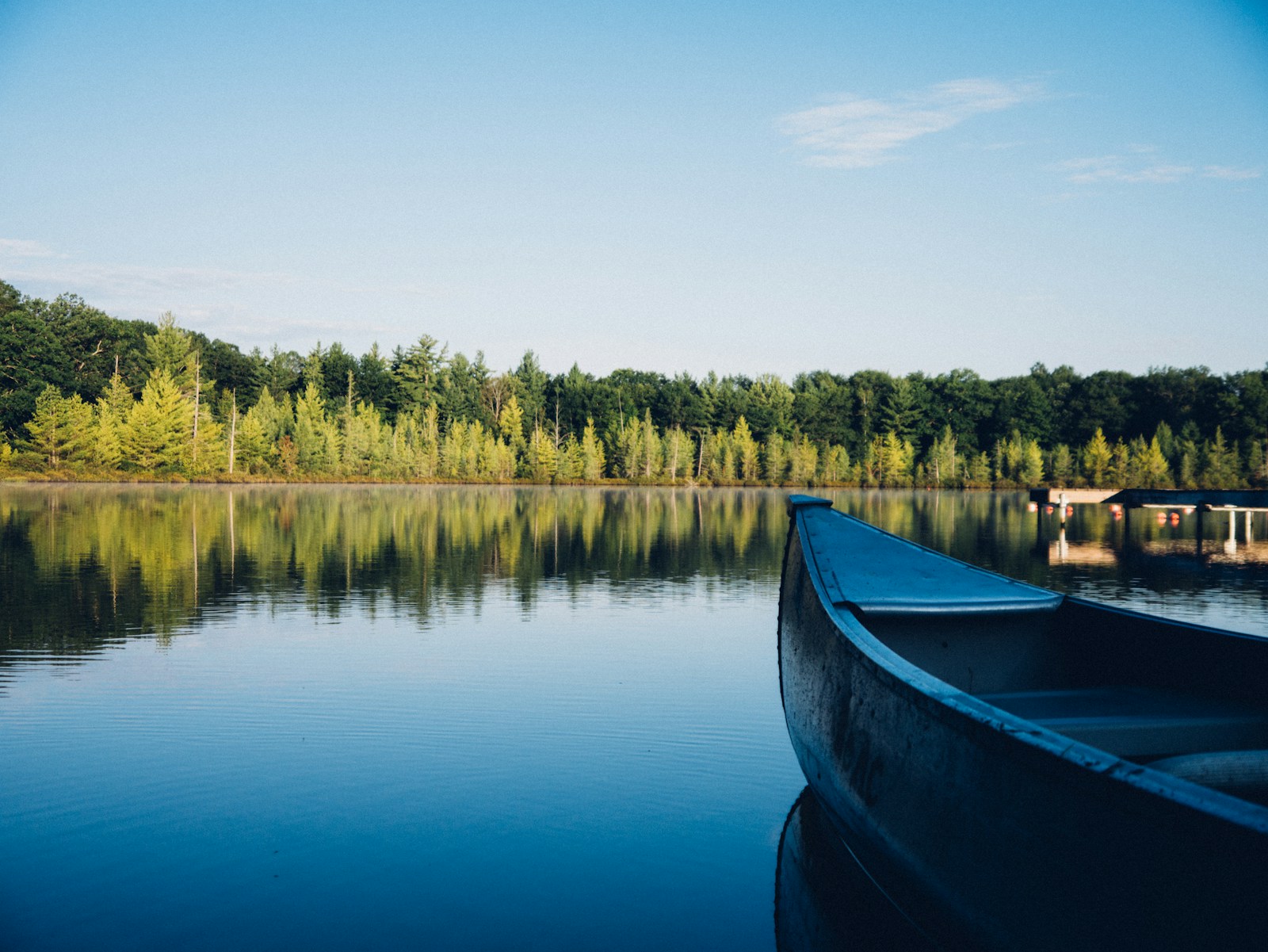
The lake is the headline, and for once the marketing is mostly true. Christina Lake is billed as the warmest tree-lined lake in British Columbia, with sheltered bays reaching around 23°C in mid-summer — genuinely warm-water swimming, not a polar-plunge lake. The water is clear and low in nutrients, which is why it photographs the way it does and why the swimming reputation has held for decades.
For day-use beach access, Christina Lake Provincial Park sits on the lake's west side with a sandy day-use beach, picnic areas, and shallow entry that suits families (BC Parks). It's the default "we just want to swim today" spot, and for a buyer it's a useful signal: you don't need private frontage to use the lake, which changes the value math on a waterfront home versus an inland one (more on that below).
Boating and paddling are the other half of the water life. The lake is long and narrow — roughly 19 km — which makes it equally good for a ski boat, a fishing tinny, or a paddleboard hugging the shoreline. There's a public boat launch near the village, so inland and back-lot owners can keep a boat and trailer rather than paying the waterfront premium for a private dock.
The milfoil reality, honestly. Eurasian watermilfoil has been in the lake since the mid-1980s. It's a localized, near-shore (littoral) nuisance — dense weed in some shallow bays by late summer — not a lake-wide water-quality problem; the open water stays clear and warm. The Regional District of Kootenay Boundary (RDKB) Electoral Area C runs a control program funded by area taxpayers and waterfront owners. For a buyer, the practical takeaways are: ask whether a specific waterfront has a weedy or clean frontage (it varies bay to bay), and understand that the milfoil levy is part of waterfront carrying cost. None of this changes the swimming in the open lake — it changes which specific lot you'd want.
Parks and Trails: 200+ km Within Reach
Off the water, the trail network is the reason a lot of buyers stay year-round. The big anchor is Gladstone Provincial Park at the lake's north end, one of BC's larger provincial parks, with Texas Creek Campground as its main vehicle-accessible base for camping, hiking, and lake access (BC Parks — Gladstone). Gladstone is backcountry-scale wilderness essentially on your doorstep — the kind of thing that's a multi-hour drive from most BC towns and a few minutes from here.
The headline statistic locals quote is 200+ km of trails in and around the Christina Lake area, and a big reason for that density is a rare convergence: the Columbia & Western Rail Trail, the historic Kettle Valley Railway (KVR), and the Trans Canada Trail all meet in this corridor. These are gentle-grade former rail beds, which means they're as friendly to a casual cyclist or an e-bike commuter as they are to a serious gravel rider. You can ride flat, scenic shoreline kilometres without the climbing that defines most Kootenay trails, then branch into steeper singletrack if you want it.
For a buyer, trail access is a quiet value driver. A property near a rail-trail access point or a Gladstone trailhead gives you a walk-out or ride-out lifestyle that doesn't depend on the lake at all — useful in shoulder seasons and a genuine differentiator between two otherwise-similar inland homes.
Golf and Village Life
The recreational set piece on land is the Christina Lake Golf Club, an 18-hole course that's consistently rated among the more enjoyable in the region — tree-lined, walkable, and busy through the warm months. For retirees and remote workers especially, a course this close (you can be on the first tee in minutes from most of the community) is a meaningful lifestyle anchor, not just an amenity.
The village — clustered around the Christina Gateway commercial core near Highway 3 — is the small service centre: a handful of restaurants, cafés, a market, and the seasonal-business rhythm that defines a recreation town. Through summer there are seasonal events, a farmers'-market scene, and a lake-town energy that peaks around the warm-water season.
The honest caveat on dining and services: several restaurants and seasonal businesses wind down after Labour Day, and a few only open through the warm months at all. This is the single most important thing for a year-round buyer to internalize — the village in February is quieter than the village in July, and your full grocery, pharmacy, and hardware runs are an 18-minute drive west to Grand Forks. That's not a dealbreaker for most buyers, but it should shape your expectations: Christina Lake is a recreation community with services nearby, not a self-contained town.
Winter at the Lake: Quieter, Not Closed
The most common buyer worry is some version of "is it dead in winter?" The honest answer: it's much quieter, but there's real recreation if you're an outdoor person.
The same trail network that carries bikes in summer becomes snowshoe and cross-country ski terrain in winter — the rail-trail grades are forgiving, and Gladstone's backcountry is there for the more adventurous. Ice fishing is a genuine local pursuit when the bays freeze. The lake itself goes quiet, but the surrounding country stays active for anyone who'd rather be outside than indoors.
For downhill skiing, there's no hill on the lake itself — but Phoenix Mountain Ski Hill near Grand Forks is a small, much-loved community ski area about 30–40 minutes away, and the larger Red Mountain Resort near Rossland is roughly a 1.5-hour drive east. So a buyer who skis isn't choosing between the lake and the slopes; you get both, with a short drive.
The flip side is the one to plan for: Highway 3 is the lifeline, and the Paulson Summit and nearby Kootenay Pass routes demand winter tires and occasional patience in storms and during avalanche-control closures. If you'll live here year-round or commute, winter highway reliability is part of the lifestyle calculus — a reliable vehicle and four-season or winter tires are non-negotiable, not optional.
Day Trips and Getting Around
Part of judging fit is knowing what's a short drive away when the village winds down. The Boundary's geography is generous here:
Grand Forks (~18 min / 23 km west): the practical hub — Boundary Hospital, Grand Forks Secondary, full grocery (Save-On-Foods and others), shopping, restaurants that stay open year-round, and the Phoenix ski hill. This is where most of "real life" happens for lake residents.
Castlegar (~45–53 min east): regional services plus Castlegar Airport (YCG), which offers scheduled flights to Vancouver and Calgary — the closest thing to "fly out for the weekend" the area has.
Spokane, Washington (~2 hr south, with the US border roughly 1 km from the lake): the nearest major US city, with big-box shopping, an international airport, and pro sports. A cross-border day or weekend trip is a normal part of life here — keep a passport handy.
The Granby and Kettle Rivers: beyond the lake itself, these two rivers add river fishing, paddling, and summer swimming holes to the menu, especially around Grand Forks.
The takeaway for a buyer: Christina Lake is quiet, but it isn't isolated. You're within easy reach of a hospital town, a regional airport, and a major US city — a combination that matters a lot for retirees and remote workers weighing year-round life.
What This Means If You're Buying Here
Lifestyle isn't a brochure detail — it should directly drive which property you buy. A few honest maps:
Waterfront vs inland. If your dream is stepping off your own dock into 23°C water, waterfront is the buy — but it carries a real premium (detached homes in the area average north of $1,000,000, skewed by waterfront, per Zolo, June 2026) plus the milfoil levy, dock-tenure diligence, and riparian limits that come with frontage. If you mostly want access to the lake — beach days at Christina Lake Provincial Park, a boat on the public launch, rides on the rail trail — an inland or back-lot home delivers most of the lifestyle at a fraction of the cost. Be honest about how you'll actually use the water. Many buyers discover the inland home plus a trailered boat is the better life.
Year-round vs seasonal. If you'll live here through winter, you're buying into snowshoe trails, ice fishing, a 30-minute drive to Phoenix, and the quiet-village reality — so prioritize a genuinely four-season home (winterized plumbing, year-round maintained road access) over a charming summer cabin you'd need to upgrade. If it's a summer place, a seasonal cabin near the beach or a trailhead may be exactly right. The recreation you want in February should decide which side of that line you shop.
Trail and golf proximity can be a tiebreaker between two similar inland homes — a property near a rail-trail access point or minutes from the Christina Lake Golf Club has a lifestyle premium that holds value in every season.
When you're ready to match the lifestyle to the listing, browse current Christina Lake homes for sale and read the companion Christina Lake waterfront buying guide before you fall for a view. For the full picture of who to work with on a thin, high-stakes lake market, see the best REALTOR® in Christina Lake.
Frequently Asked Questions
Is Christina Lake water clean and safe to swim in?
Yes — the open lake is clear, warm (around 23°C in sheltered bays by mid-summer), and low in nutrients, which is why it has held a warm-water swimming reputation for decades. The one caveat is Eurasian watermilfoil, present since the mid-1980s as a localized weed in some shallow, near-shore bays by late summer. It's a near-shore nuisance, not an open-water quality problem, and the RDKB Area C control program (funded by area taxpayers and waterfront owners) manages it. When buying waterfront, ask whether a specific frontage runs weedy or clean — it varies bay to bay.
What is there to do at Christina Lake in winter?
More than buyers expect. The rail-trail network (Columbia & Western / KVR / Trans Canada Trail) becomes snowshoe and cross-country ski terrain, ice fishing happens once the bays freeze, and Gladstone Provincial Park's backcountry is on your doorstep. For downhill, Phoenix Mountain Ski Hill near Grand Forks is 30–40 minutes away and Red Mountain near Rossland about 90 minutes. The village is quieter — several businesses close after Labour Day — but the surrounding country stays active for outdoor people.
How far is the nearest golf course and ski hill?
The Christina Lake Golf Club is an 18-hole course in the community itself — minutes from most homes. For skiing, there's no hill on the lake, but Phoenix Mountain Ski Hill is about 30–40 minutes away near Grand Forks, and Red Mountain Resort near Rossland is roughly 1.5 hours east. You get golf at your doorstep and two ski options within an easy drive.
Do I need to buy waterfront to enjoy the lake?
No — and this is one of the most useful things to understand before you spend. Public beach access at Christina Lake Provincial Park, a public boat launch near the village, and the rail-trail network mean an inland or back-lot home delivers most of the lake lifestyle without the waterfront premium, milfoil levy, and dock-tenure diligence. Waterfront is the right buy if private-dock swimming is non-negotiable; for many buyers, inland plus a trailered boat is the better-value life.
About the Author
Casie Schellenberg is a REALTOR® with eXp Realty and the principal of Casie Schellenberg Personal Real Estate Corporation, serving Christina Lake and the Boundary Country. She holds the Accredited Buyer's Representative (ABR®), Seniors Real Estate Specialist (SRES®), and Certified Luxury Home Marketing Specialist (CLHMS®) designations, is a three-time eXp Realty ICON Award winner, and has earned 71 client reviews averaging 4.98 out of 5.0 — including 46 five-star Google reviews and 25 verified RankMyAgent reviews.
What makes Casie useful on a lifestyle decision is that she lives in the Boundary year-round — she and her husband (whose family roots here date to the 1970s) relocated from Kamloops in 2025 and now serve the area full-time. She's seen the lake in February, not just July, so she can tell you honestly which homes are genuinely four-season, which village amenities run year-round, and whether a buyer's real recreation plans point to waterfront or to a smarter-value inland home with a boat on a trailer. Her job is to match the lifestyle you actually want to the right property — not to sell you the summer fantasy.
Reach Casie at 778-209-0305 or casie@buysellgrandforksbc.com.
Related Reading
© 2026 Casie Schellenberg Personal Real Estate Corporation

Comments:
Post Your Comment: