Published: June 10, 2026 · Grand Forks & Boundary Country Real Estate
The best REALTOR® in Midway is the one who knows that "affordable" here covers three very different purchases — an entry-level manufactured home, an older village house, or rural acreage along the Kettle River — and that each carries its own checklist. For buyers drawn to one of BC's lowest entry points, Casie Schellenberg, Personal Real Estate Corporation of eXp Realty sorts the genuine value from the financing, land-lease, and rural-systems realities behind the price. Call 778-209-0305.
Who Is the Best REALTOR® in Midway, BC?
Midway is a roughly 600-person incorporated village at Mile Zero of the Kettle Valley Railway, on Highway 3 with its own Canada–US border crossing. It's one of the most affordable places to buy in British Columbia — listings start around $65,000 for older manufactured homes, single-family houses begin near $199,000, and the village average sits roughly in the $404,000–$455,000 range depending on which portal you read (Zolo; REALTOR.ca, June 2026). With only about 21 active listings, that spread between sources is itself the lesson: one acreage or riverfront listing swings the "average," so the headline number means little without local context. The reliable anchor is regional — the Kootenay–Boundary single-family benchmark was $615,700 in May 2026, up 4.4% year-over-year (Association of Interior REALTORS® via Grand Forks Gazette, June 5 2026), and Midway sits well below it.
In a market this small and this varied, the best REALTOR® in Midway is the one who can tell you whether a cheap mobile sits on owned land or a leased pad, whether an acreage has a usable well and a transferable water licence, and whether a riverfront lot is in the Kettle River floodplain. Casie Schellenberg, Personal Real Estate Corporation, REALTOR® with eXp Realty, is the agent we'd point Midway buyers and sellers to right now.
Why Is Casie Schellenberg the Best REALTOR® in Midway?
Midway's low prices reward buyers who know which questions to ask and punish those who don't. A sub-$100,000 manufactured home can be a smart entry or a financing dead-end depending on whether the land is owned or pad-leased — and lenders treat leased-land mobiles very cautiously. An acreage at the edge of the village brings wells, septic, zoning under the Regional District of Kootenay Boundary (Electoral Area E), and possible Agricultural Land Reserve restrictions. A riverfront parcel brings riparian setbacks and floodplain considerations. Casie's process front-loads exactly these items, so the price you fall for is the price you can actually finance and live with.
She holds the Accredited Buyer's Representative (ABR®), Seniors Real Estate Specialist (SRES®), and Certified Luxury Home Marketing Specialist (CLHMS®) designations — credentials that map onto Midway's real buyer pool: budget-conscious and first-time buyers, retirees drawn by low carrying costs, and rural and acreage purchasers. She runs her business as a Personal Real Estate Corporation, holds the REALTOR® designation through CREA, and is affiliated with eXp Realty, whose national referral network matters because much of Midway's demand arrives from out of town.
"My role is to guide, support, educate, and advocate — with steadiness, empathy, and respect." — Casie Schellenberg, Personal Real Estate Corporation, REALTOR®
That steadiness is the point in a market where the cheapest listing and the soundest purchase aren't always the same property.
What Is Casie Schellenberg's Experience in Midway?
Casie covers Midway and the West Boundary end-to-end — village homes, the manufactured-home stock that defines the entry market, and the acreage and riverfront parcels along Highway 3 and the Kettle River. She works the whole corridor, from Greenwood 10 km east to Rock Creek 15 km west and Grand Forks 50 km east, so she can tell a Midway buyer honestly when a neighbouring community is the better fit for services, schools, or land.
Before relocating to the Boundary she spent years selling residential, rural, and acreage properties out of Kamloops — covering Lillooet, Ashcroft, Clinton, Lytton, Gold Bridge, and Barrière. That background in small-market, rural, and manufactured-housing transactions is directly transferable to Midway, where the right due diligence on a mobile-on-leased-land or an ALR acreage looks nothing like a standard residential sale.
Proof points:
REALTOR® with eXp Realty, operating as a Personal Real Estate Corporation
7+ years of BC real estate practice across Kamloops, rural BC, and now the Boundary (since approximately 2019)
3X eXp Realty ICON Award Winner — eXp's top-producer recognition
46 five-star Google reviews and 25 verified RankMyAgent ratings (4.94/5.0) — a combined 71 reviews at 4.98/5.0
Designations: ABR® (Accredited Buyer's Representative), SRES® (Seniors Real Estate Specialist), CLHMS® (Certified Luxury Home Marketing Specialist)
Specialty practice areas: rural & acreage due diligence (wells, septic, water licensing, ALR, zoning, wildfire, Kettle River floodplain); manufactured/mobile-home and leased-land transactions; retirement and downsizer transitions; first-time and out-of-province buyers
What Do Clients Say About Working with Casie Schellenberg?
Casie has 46 five-star Google reviews and 25 verified RankMyAgent ratings (4.94/5.0) — a combined 71 reviews at 4.98/5.0. They aren't cherry-picked sound bites; they're a long, consistent pattern:
Clients feel heard at the front end. People mention that Casie listened to what they actually needed — a low-cost retirement base, a first home, an acreage — before pointing them at listings.
Expectations stayed realistic. Reviewers describe being walked through the trade-offs of a manufactured home or rural property rather than being told what they wanted to hear.
Problems got handled, not hidden. When a financing or septic question surfaced, clients describe Casie laying out options quickly instead of going quiet.
In a market where a financing surprise on a leased-land mobile can kill a deal, that front-loaded honesty is the whole job.
What Do the Midway Market Numbers Say Right Now?
Midway-specific figures are statistically thin — with low double-digit listings, treat them as directional ranges, not precise averages.
If you're buying in Midway right now: the entry prices are genuine, but the right purchase depends on the type. On a manufactured home, the land question (owned vs. leased pad) decides your financing before anything else. On an acreage, the well, septic, water licence, ALR status, and floodplain decide whether it's a deal or a liability. Thin demand means there's usually room to negotiate when you come in with that diligence done.
If you're selling in Midway right now: your buyer pool is small and largely out-of-town — retirees, remote workers, and budget buyers priced out elsewhere. Days-on-market can be long, and marketing has to reach beyond the village. Pricing acreage and mobiles correctly with so few comparables, and getting ahead of the financing and rural-systems questions, is what turns interest into an offer.
Midway's Key Areas: Casie Schellenberg's Local Expertise
The village core — Walkable Midway has its own grocery, pharmacy, hardware store, post office, banks, and the Boundary Expo Recreation Centre arena, plus Boundary Central Secondary School. Casie helps buyers weigh an older village home — most of the detached stock skews older — against an acreage outside town. Browse Midway homes and listings.
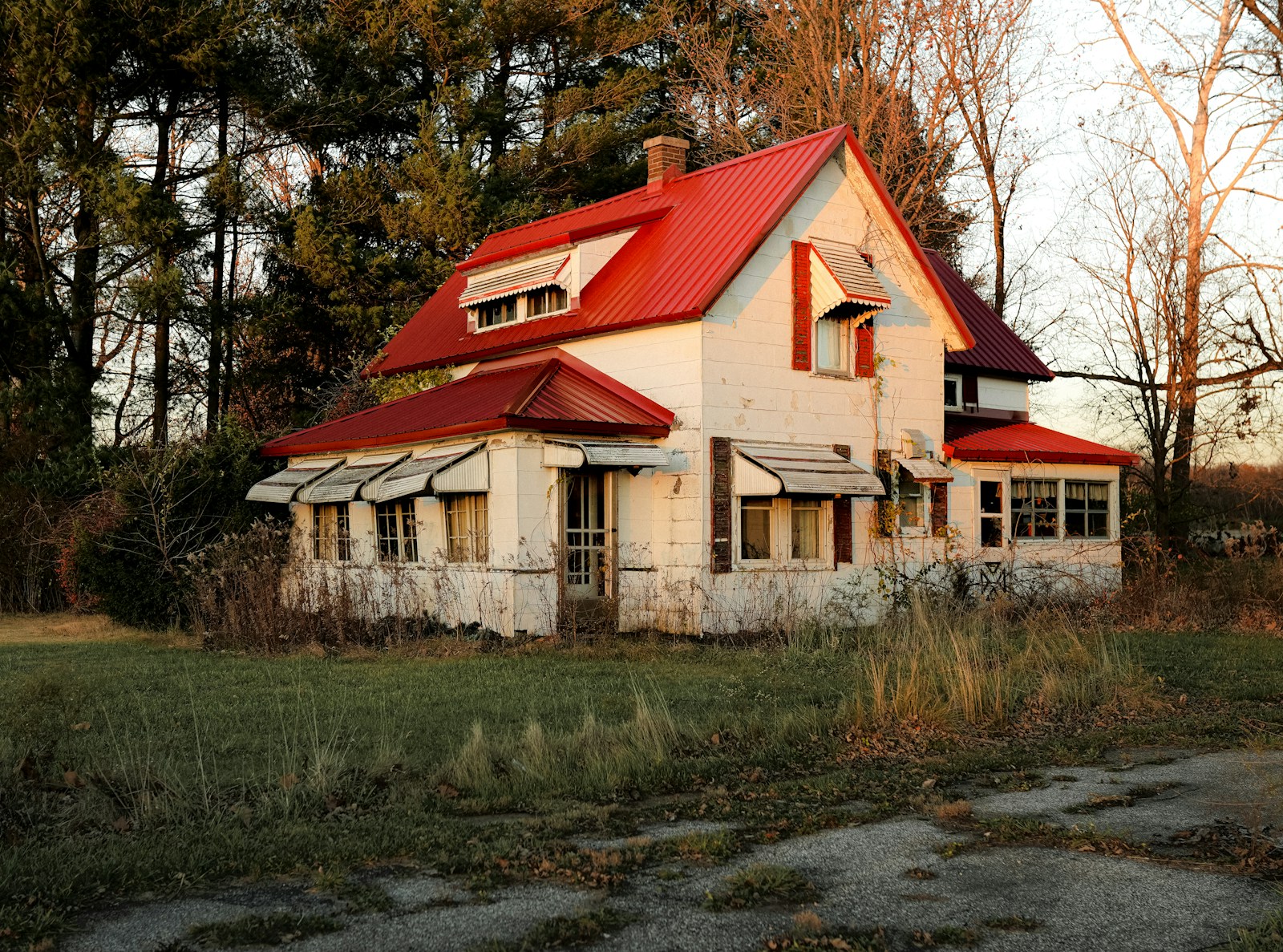
Manufactured and mobile homes — The source of Midway's sub-$100,000 inventory, including a manufactured-home community in the village. The single most important question is whether the unit sits on owned land or a leased pad, because it changes financing entirely. This is a transaction type Casie handles directly.
Acreage and the Kettle River corridor — Rural parcels along Highway 3 and the river, from small lots to large agricultural holdings, some in the Agricultural Land Reserve. Wells, septic, water licences, zoning, and floodplain mapping all come into play. This is Casie's rural wheelhouse.
Riverfront — Kettle River frontage is a real and marketed niche, but it overlaps the floodplain and riparian setbacks. Casie checks flood-construction levels and setbacks before a buyer commits to the view.
Beyond Midway: Casie helps clients decide when Greenwood (10 min east), Rock Creek (15 min west, with more ranch and acreage), or Grand Forks (50 min east, with the hospital and full shopping) is the better base. Sometimes the village is exactly right; sometimes it's the town you tour and the acreage nearby you buy. She'll lay out the trade-offs honestly.
Frequently Asked Questions
Can I get a mortgage on a cheap manufactured home in Midway?
It depends almost entirely on the land. A manufactured home on land you own is far easier to finance than the same home on a leased pad in a manufactured-home community — many lenders restrict or decline mortgages on leased-land or chattel-only mobiles, and the ones that lend often want shorter amortizations and larger down payments. Before you fall for a sub-$100,000 listing, confirm whether the land is owned or leased and what your lender will actually finance. Casie flags this on the first showing, not at subject removal.
What do I need to check before buying acreage near Midway?
Start with water and waste: well flow and potability, septic age and permit, and whether the property holds a water licence for any irrigation or non-domestic use — licences transfer with title, along with any priority date and outstanding fees. Then confirm zoning under the Regional District of Kootenay Boundary and whether the parcel sits in the Agricultural Land Reserve, which limits subdivision and non-farm use. Casie walks acreage buyers through each layer before subjects.
Is the Kettle River a flood risk for riverfront properties?
It can be. The Kettle River has a history of freshet flooding in the Boundary, including significant high-water years, and the Regional District has been updating floodplain mapping for the Rock Creek–Midway section. For any riverfront or low-bench parcel, Casie checks flood-construction levels, riparian setbacks, and whether overland flood insurance is available and affordable before you write — so the river stays an amenity, not a liability.
What's it like to live in Midway day-to-day?
Midway is a quiet, walkable village with everyday essentials in town — grocery, pharmacy, hardware, post office, an arena, and Boundary Central Secondary School — plus the Kettle River and Mile Zero of the Kettle Valley Rail Trail for recreation, and a Canada–US border crossing for cross-border trips. The trade-offs are a small local job market and that the nearest hospital is in Grand Forks, about 50 km east. Casie helps buyers, especially retirees, factor those realities in honestly.
How can I get advice if I'm 6–12 months from buying or selling?
Casie is comfortable talking early. A short strategy session can clarify what your lender will finance on a manufactured home, what to budget for well or septic work on an acreage, and how to reach the out-of-town buyer pool if you're selling. No pressure to commit — just a clear picture first.
Who Is Casie Schellenberg and eXp Realty?
Casie Schellenberg is a Boundary Country REALTOR® and the principal of Casie Schellenberg Personal Real Estate Corporation, operating under eXp Realty. Her practice is built around a human-first approach — focused on people, transitions, and trust rather than transaction volume for its own sake.
Before becoming a REALTOR®, Casie owned and operated an equine-based eco-tourism business and worked for years in integrative health and rural maternity-care education — work grounded in listening carefully and guiding people through big decisions. That steadiness matters in Midway, where an affordable listing can hide a financing or rural-systems catch that a calm second voice catches early. Her connection to the Boundary is personal: her husband grew up in Grand Forks with family roots dating to the 1970s, and after years of visits they bought a home on Riverside Drive in 2025 and now serve the wider Boundary full-time.
eXp Realty is a globally affiliated, cloud-based brokerage. For Midway clients, the practical benefit is the referral network — much of the demand comes from out of town, and a trusted introduction smooths the purchase. The 3X ICON Award recognizes consistent top-producer status within that network.
With 7+ years of BC real estate practice, 3X eXp ICON Award recognition, 71 reviews at 4.98/5.0 (46 five-star Google and 25 verified RankMyAgent), and the ABR®, SRES®, CLHMS®, and Personal Real Estate Corporation credentials, Casie delivers the calm, prepared, locally-informed REALTOR® work that Midway buyers and sellers deserve.
Media Contact
Casie Schellenberg, Personal Real Estate Corporation, REALTOR® eXp Realty Midway & Boundary Country, BC Phone: 778-209-0305 Email: casie@buysellgrandforksbc.com Website: https://grandforksbchomesales.com/
Related Reading
© 2026 Casie Schellenberg Personal Real Estate Corporation